


How to tie a Palomar knot
The Palomar knot ties fishing line to a hook, a lure or a swivel. You fold the line into a U, push the U through the eye, tie a loose overhand knot with the doubled line and pass the loop over the hook. It is quick, hard to get wrong and works with mono, fluorocarbon and braid, which makes it one of the most used knots in lure fishing.
- Type
- Hitch
- Difficulty
- Easy
- Line types
- Monofilament, Fluorocarbon, Braid
Step by step
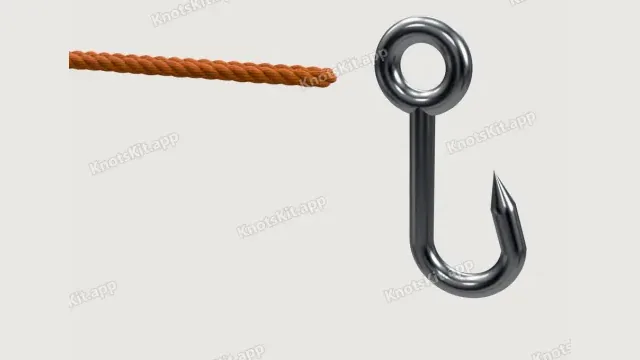
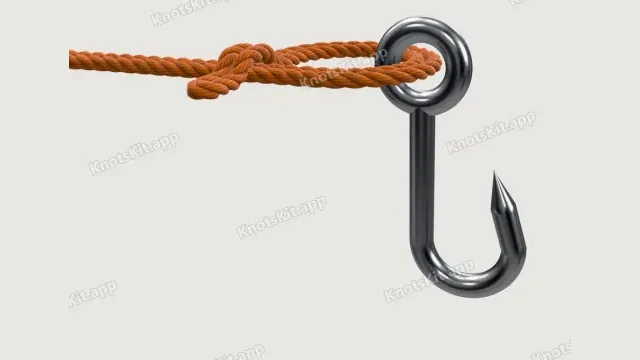
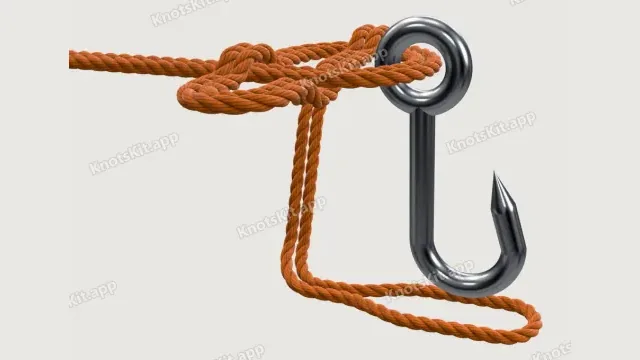
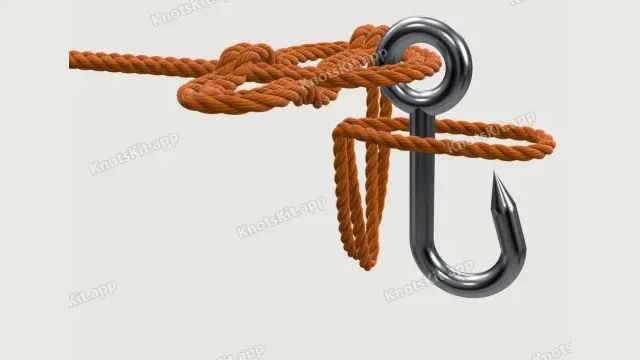
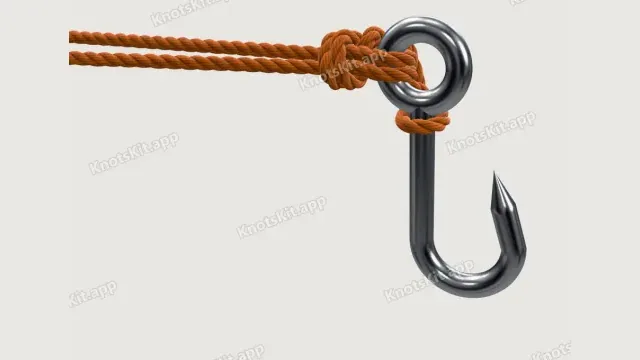
What it’s for
Attach fishing line to a hook, lure or swivel using a folded section of line.
When to avoid it
Avoid it if the lure cannot pass through the loop or the line is too thick and stiff to fold easily.
Check your knot
Both sections of line pass through the eye together. The knot sits just above it, with no crossed sections.
Tips
- Wet the knot before tightening to reduce friction.
- Make the loop large enough to pass over the hook or lure.
- Trim the free end only after tightening and checking the knot. Follow the line maker’s guidance.
Where the Palomar works best
- Braid tied straight to the lure. Doubled through the eye, braid has more to grip on than a single strand. For the thinnest braids, check what the line maker recommends.
- Hooks and swivels with a roomy eye. Two strands of your line have to sit side by side in the eye. With very small hooks, try it before you count on it, and switch to the uni knot if the line will not fit doubled.
- Drop shot rigs. Tie the Palomar leaving a long free end, which will hang below the hook to carry the weight. Then pass that end back through the eye from the point side, so the hook stands out from the line with the point facing up.
Common mistakes
- Strands crossed in the eye. It starts at step 2. If the two strands twist as the U goes through, the finished knot sits crooked and the line pinches itself. Lay them flat before you go on.
- Pulling the overhand knot tight too early. Step 3 says leave it loose, with the loop big. Snug it now and the loop becomes awkward to pass over the hook in step 4.
- The loop catching on the hook. In step 4 the loop has to clear the whole hook, point and barb included, and end up past the eye. With a lure that carries trebles, check every hook has come through before you pull.
- One side doing all the work. In step 5 the main line and the free end are pulled together. Tug only the main line and the knot closes unevenly, with one strand looser than the other.
Seating it properly
Hold the hook by the bend (or with pliers), wet the knot and draw the main line and the free end with one slow, steady pull. You should feel it slide down and settle just above the eye. Then look: both strands through the eye together, no crossed sections. If it looks wrong, cut it and tie it again: retying takes a minute, a bad knot can cost you the fish.
Related knots
Questions people ask
Does the Palomar knot work with braid?
Yes, it is one of the knots anglers use most to tie braid straight to a hook or lure. The line goes through the eye doubled, so the knot grips on two strands instead of one. Braid is slippery, though: follow the line maker’s guidance, tighten slowly and test the knot with a firm pull before you cast.
Palomar or improved clinch: which should I tie?
The Palomar is usually easier to tie well, and it suits braid as well as mono and fluorocarbon. Its limit is the loop, which has to go over the whole hook or lure. With a big lure carrying several trebles, or an eye too small for doubled line, the improved clinch is simpler because only one strand goes through the eye.
Why does my Palomar knot slip or break?
Most failures happen while tightening. If the doubled line twists inside the eye, the two strands cross and pinch each other. If you pull on one side only, the knot closes crooked. Wet it, keep both strands side by side through the eye, then pull the main line and the free end together, slowly, until it seats.
Do you need to wet a Palomar knot before tightening?
Yes. Line rubs on itself as the knot closes, and that friction heats it. Dry mono and fluorocarbon can be weakened right where it matters, often with nothing to see. A little water or saliva lets the strands slide into place. It takes a second, so make it a habit with every fishing knot.