


How to tie a rope to a post
For a steady pull, tie two half hitches: take the rope around the post, then make two matching hitches around the long section. If you want to adjust the rope while it stays on the post, use a clove hitch. If you need a loop you can drop over the post and lift off again, tie a bowline.
The best knot for this job
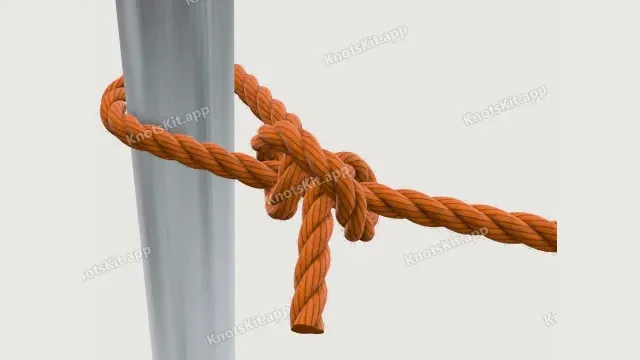
How to tie the Two Half Hitches
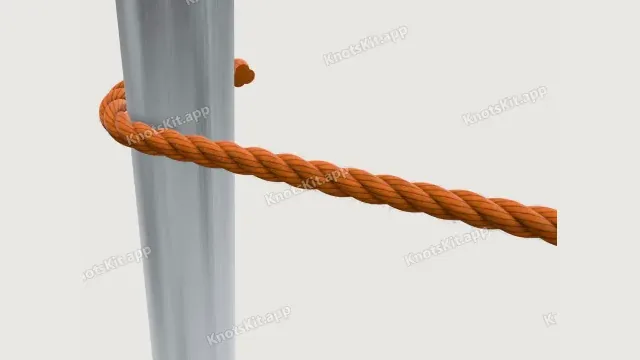
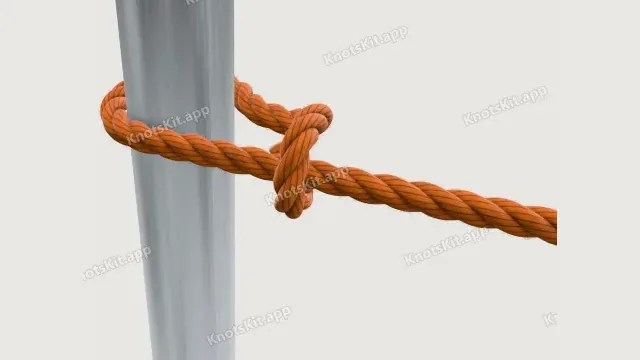
Step 2
Wrap the end around the long section and through, for the first half hitch.
Which is the long section?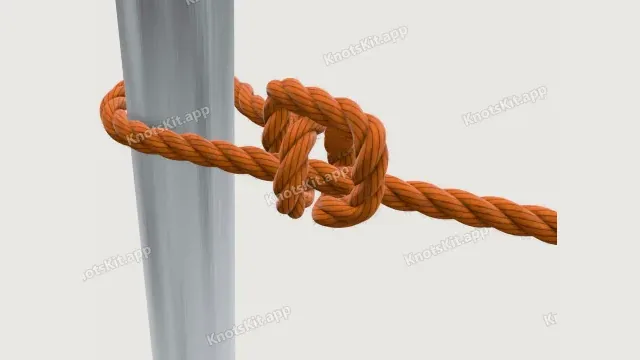
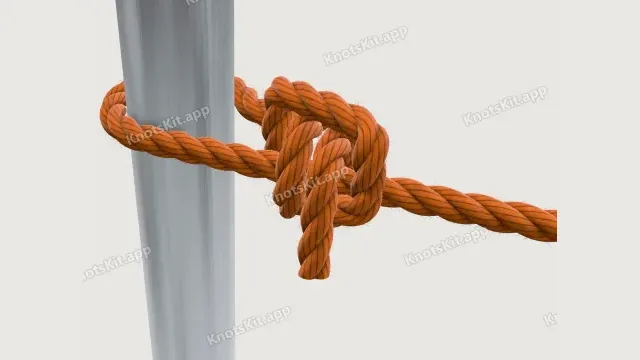
Step 4
Tuck the end under the crossing to finish the second half hitch.
Your options
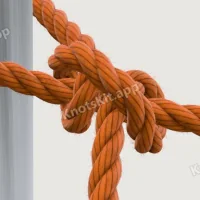 Two Half HitchesTie a rope to a post or ringThe default when the rope pulls steadily in one direction, like a tarp line to a tree or a rope to a fence ring. It is quick to tie and suits a pull that stays even, without jerks or swings.
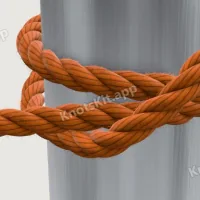 Clove HitchAn adjustable knot around a postPick it when you want to tie on fast and adjust the rope without undoing the knot, for example on a rail or a fence post. Skip it if the post can turn or the pull changes direction, because it can shift and slip.
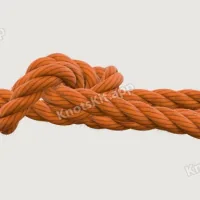 BowlineA loop that stays the same sizeUse it when you want a loop to drop over a post and lift off later, as when mooring, or a loop around a tree that doesn’t grip it. Tighten it well and check it again after a while, especially on a mooring line that goes slack and tight.
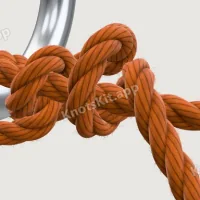 Anchor HitchTie a rope to an anchor or a ringFor a rope to an anchor, a mooring ring or a buoy, where the waves keep pulling and slackening it. Also called the anchor bend. After a heavy pull it can jam, especially when wet, so skip it if you need to untie it quickly.
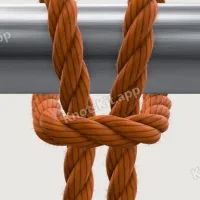 Cow HitchHang something from a pole or ringAlso known as the lark’s head or girth hitch. Pick it when both ends pull together, for example to hang something from a ring or a pole. If only one end takes the pull, it can slide or slip.
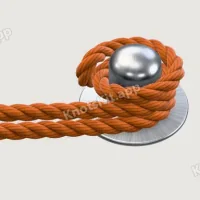 Pile HitchQuickly tie a folded rope to a postA quick way to tie on without using the end of the rope, as long as you can reach the top of the post. Keep it low on the post: it can lift off if the rope pulls upwards or goes slack.
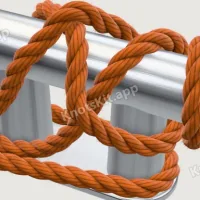 Cleat HitchTie a boat’s rope to a cleatThe one for a cleat, with a mooring rope or any rope on board. It is quick to tie and usually quick to release, as long as you start with the turn around the base. Skip it if the rope is too thick to fit under the horns.
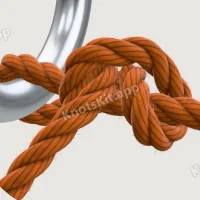 Buntline HitchA knot for a ring that holds when shakenPick it for a rope to a ring or shackle that will shake or flap, as on a sail, because movement tends to tighten it. Skip it if you will need to untie it soon or under load: it can jam hard.
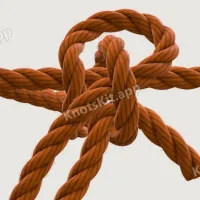 Siberian HitchA knot around a post that undoes in one pullA handy pick for a tarp line on a tree or a post: one pull on the free end undoes the whole knot. That is also the risk, so skip it if the end can catch or be pulled by accident, or where a failing knot could put someone at risk.
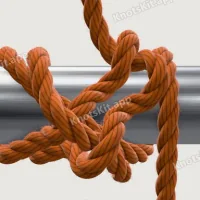 Boom HitchTie a rope to a boom or a poleFor a boom, spar or rail when the pull comes from the side: the crossed turns grip the pole and stay tidy. It takes more rope and time than a clove hitch, and if the pull runs along the pole, tie a rolling hitch instead.
Before you tie
Look at the post first. A rough or square post grips the rope; a smooth or painted one lets a hitch slide, and a pole that turns will move the knot with it. Check that the post itself is solid and can’t be lifted out by the pull.
Think about which way the rope will pull, and tie the knot so the long section leaves the post in that direction. An extra turn around the post before the hitches makes it easier to hold the load while you tie. Leave enough free end that it can’t work back through; how much depends on the rope and the job.
Tightening and checking
Snug each turn down as you go, then slide the knot against the post or ring and pull the long section firmly. Look again after the rope has been slack, after a gust or a jerk, and whenever the direction of pull has changed. Those are the moments when a hitch that sat neatly can work loose.
Questions people ask
Clove hitch or two half hitches: which should I use?
Use two half hitches when the rope ends at the post and pulls steadily, as with a line to a tree. Use the clove hitch when you want to tie on in the middle of a rope or adjust the length often. Neither suits a pull that jerks or keeps changing direction, so check either one when conditions change.
How do I tie a rope to a post so it’s easy to untie?
Tie a bowline with the loop around the post, or tie the loop first and drop it over the top. Afterwards, lift it off, or take the load off and bend the knot back on itself to loosen it. Two half hitches also come undone without much effort once the rope is slack.
Which knots work on a tree or a ring?
Two half hitches work on a ring, a post or a tree. The clove hitch is happiest on a post, a rail or a carabiner. A bowline goes around almost anything: pass the free end around the object before you tie the knot, and the loop closes around it without gripping.
Can I use two half hitches or a clove hitch for mooring or towing?
Mooring and tow lines jerk and change direction, which are the conditions in which two half hitches and the clove hitch can loosen. Where a slipping knot could put someone at risk, don’t rely on them.