


How to tie two fishing lines together
For most joins, tie a uni-to-uni knot. It is two uni knots, one tied with each line around the other, slid together, so it copes with lines of different thickness and with braid to a mono or fluorocarbon leader. When both lines are mono or fluorocarbon of similar thickness, a blood knot makes a slimmer join. For a big jump in thickness, tie an Albright or an Alberto.
The best knot for this job
How to tie the Uni-to-Uni Knot
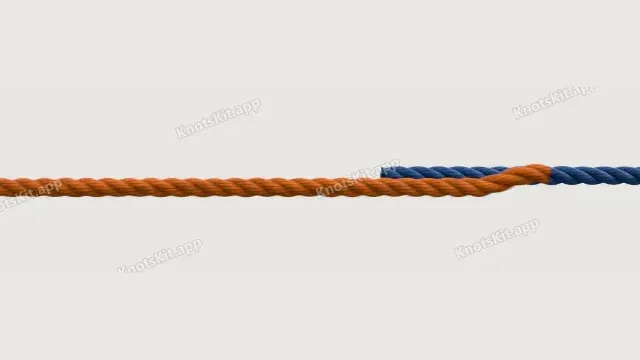
Step 1
Overlap the two lines, ends pointing in opposite directions.
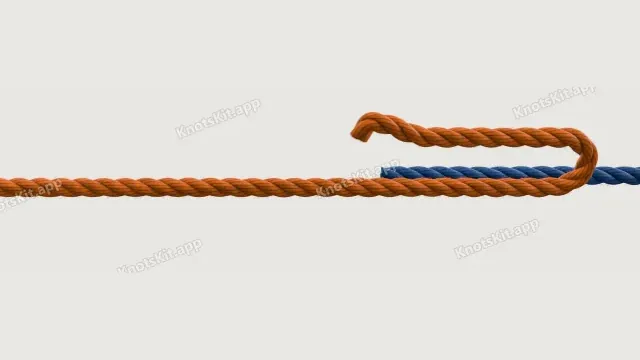
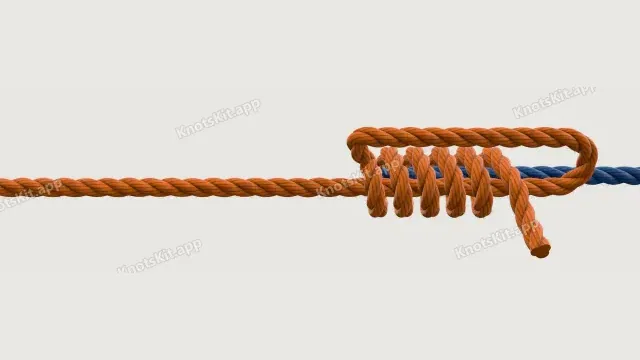
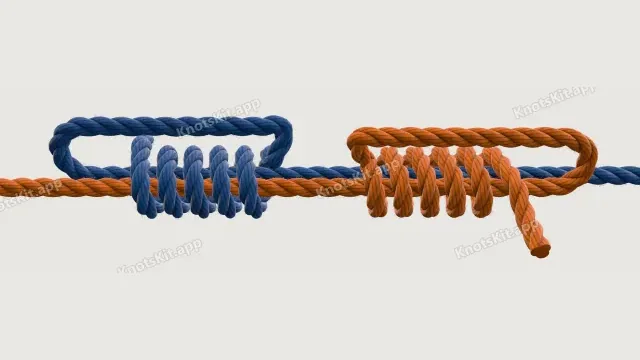
Step 4
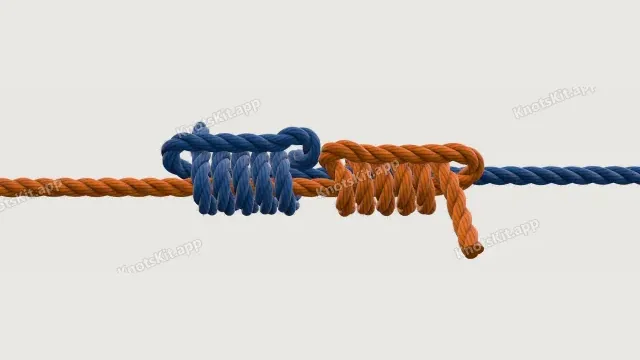
Tie the same knot with the other end, facing the other way.
Step 5
Tighten each knot, then pull the lines so the knots slide together.
Your options
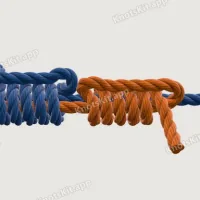 Uni-to-Uni KnotJoin two fishing lines, braid includedThe everyday join for a leader to the main line, including braid to mono or fluorocarbon and lines of different thickness. If you already tie the uni knot, you know most of it. It is a little bulkier than the slimmest joins.
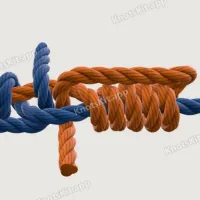 Blood KnotJoin fishing lines of similar thicknessPick it to join two monofilament or fluorocarbon lines of similar thickness when you want a slim, neat join through the rod rings. It takes more practice, and it can slip with braid or with lines that differ a lot in thickness.
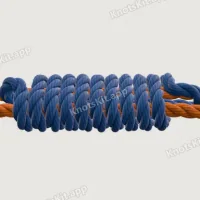 Albright SpecialJoin lines of different thicknessPick it when the two lines differ a lot in thickness or material, such as braid or thin line to a heavy leader. The thinner line wraps the folded end of the thicker one ten times, and every turn has to sit neatly, or the thinner line can slip.
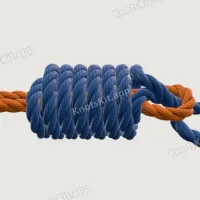 Alberto KnotJoin braid to a thicker leaderA join for thin braid to a thicker mono or fluorocarbon leader: the braid wraps the folded leader in two layers, out and back. When the two lines are of similar thickness, the uni-to-uni is simpler.
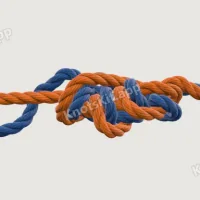 Triple Surgeon's KnotQuickly join a short leader to the lineA quick join for a leader to the main line, even when they differ in thickness or material, such as braid to fluorocarbon. All of the leader has to pass through the loop, so skip it with a long leader, or when the join must run smoothly through the rod rings.
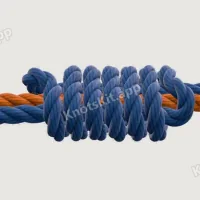 Nail KnotJoin a leader to a fly lineThe join for a leader to a fly line: a slim knot that runs smoothly through the rod rings. Skip it with braid, and check the turns, because crossed or loose ones can let it slide off the fly line’s smooth coating.
Getting a clean join
Lay the two lines side by side with plenty of overlap, more than the knot seems to need, so you have room to work the turns. For the Albright and the Alberto, fold the end of the thicker line into a narrow loop first and keep it pinched between finger and thumb while the thinner line wraps around it.
Hold the turns as you form them. A join that fails has often started with a turn that crossed another or slid out of place before the knot was tight. With the uni-to-uni, tighten each knot on its own first, then pull the two lines so the knots slide together.
Tightening and checking
Wet the knot, then pull all the sections slowly and evenly until the turns bed down. Look at it closely: the turns should sit together, with nothing loose or crossed. Pull the two long sections firmly against each other, and trim the free ends only once the knot has passed that test. Leave them as long as the line maker suggests. If anything looks wrong, cut the knot off and tie it again.
Questions people ask
How do you join braid to a monofilament or fluorocarbon leader?
The uni-to-uni knot is the simplest way, and it copes with a difference in thickness. When the leader is much thicker than the braid, tie an Albright or an Alberto instead. Braid is slippery, so check the line maker’s guidance, which may suggest more turns on the braid side. Wet the knot, pull steadily and test it before you start fishing.
Which join is less bulky in the rod rings?
Between mono or fluorocarbon lines of similar thickness, the blood knot usually makes the slimmest join, with its turns lying in two neat groups. The uni-to-uni is a little bulkier, which matters most when the join runs through the rings on every cast. Whichever you tie, trim the free ends only once the knot is tight and checked.
Can you join lines of very different thickness?
Yes. The uni-to-uni copes with lines of different thickness, because each line is tied around the other with its own knot. For a big jump, such as thin line to a heavy leader, tie the Albright, or the Alberto for thin braid. The blood knot works best with lines of similar thickness and can slip when they differ a lot. For a very uneven pairing, follow the line maker’s guidance.
Why did the line break while I was tightening the knot?
Friction is a common cause. Pulling dry line tight heats it at the knot, and that can weaken monofilament and fluorocarbon. Wet the knot first, pull steadily rather than with a jerk, and make sure no turn has crossed another. A nick from teeth, rocks or the rod rings can also give way at the knot, so cut back to clean line before you tie.