


How to tie a blood knot
The blood knot, also called the barrel knot, joins two fishing lines of similar thickness end to end. Each end wraps around the other line and comes back through the middle, so the join stays slim and in line. Fly anglers use it to build leaders, and it joins a mono or fluorocarbon leader to a main line of close diameter.
Step 1 of 6
Overlap the two ends, pointing in opposite directions.
- Type
- Bend
- Difficulty
- Hard
- Also called
- Barrel Knot
- Line types
- Monofilament, Fluorocarbon
Step by step
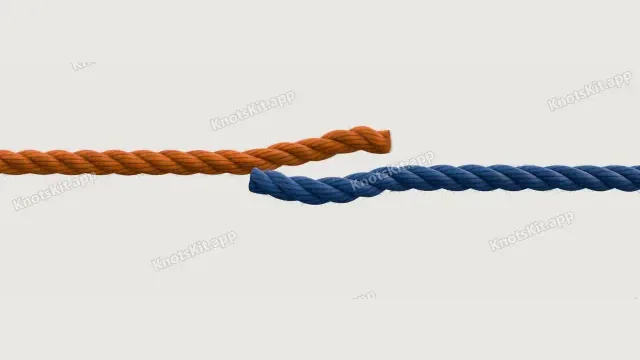
Step 1
Overlap the two ends, pointing in opposite directions.
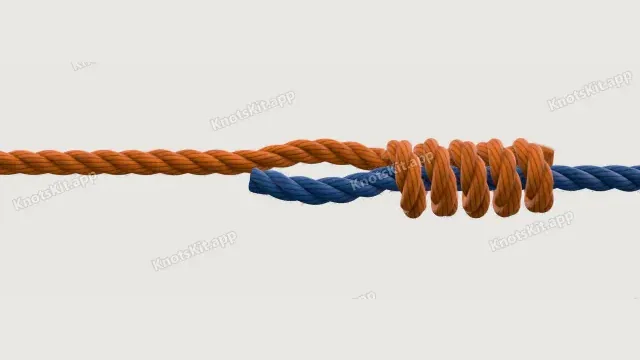
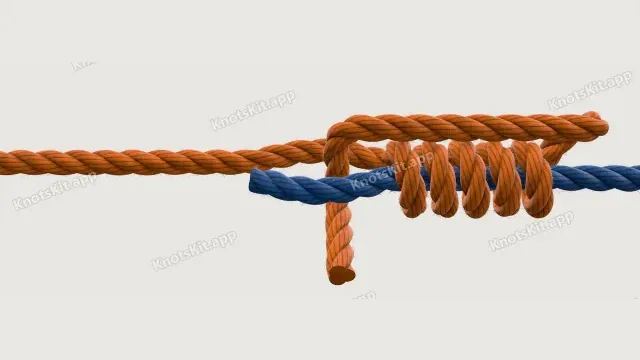
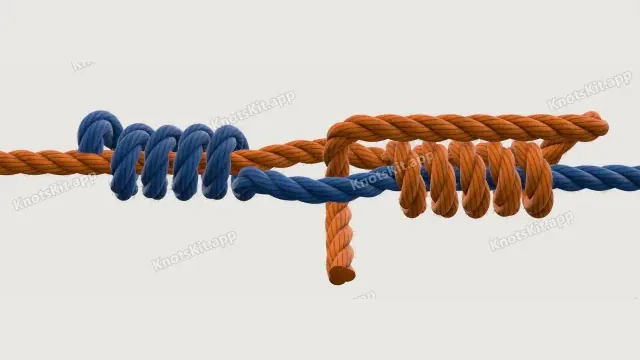
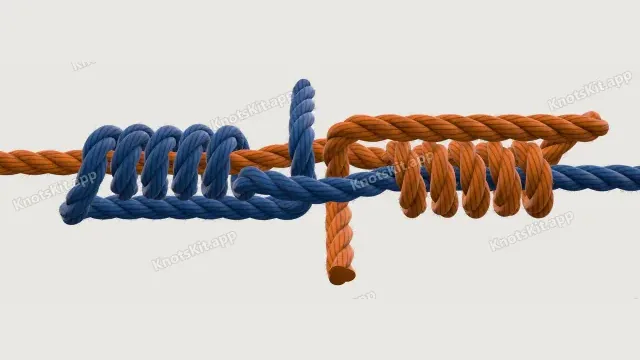
Step 5
Bring it back through the same gap, from the other side.
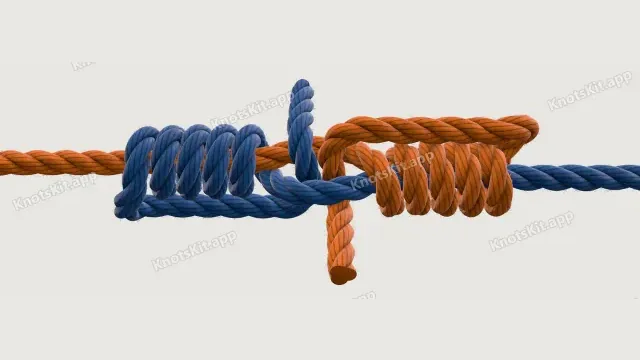
Step 6
Pull the two lines apart to tighten.
What it’s for
Join two fishing lines of similar thickness, such as a leader and main line.
When to avoid it
Avoid it if the lines differ greatly in thickness or one is braid: the knot can slip.
Check your knot
The turns sit together in two neat groups. The free ends leave the middle in opposite directions.
Tips
- Wet the knot before tightening to reduce friction.
- Keep the central gap open while you wrap the second end.
- Trim the free end only after tightening and checking the knot. Follow the line maker’s guidance.
Where the blood knot shines
- Building a leader in sections. Fly anglers join lengths of gradually finer line to make a tapered leader. The blood knot keeps every joint slim and in line with the rest of the leader.
- Leader to main line of close diameter. Mono to mono, or fluorocarbon to mono of a similar size: the join stays narrow and straight, with the free ends pointing away from each other.
- Repairing a broken line. Two pieces of the same line are the ideal case for this knot, because the diameters match exactly.
Common mistakes
- The first turns unwinding. While you work on the second end, the first five turns can loosen and spring open. Keep them pinched between finger and thumb until step 5 is done.
- Both ends through the gap from the same side. Steps 3 and 5 send the ends through the same gap but from opposite sides. Get this wrong and the knot falls apart under the first pull.
- Turns that pile up. As the knot tightens, the turns should bed down side by side in two tidy groups. If they cross over one another, cut it and tie it again.
- Ends too short to finish. Each end has to make five turns and still reach back through the gap. Start with too little and you run out halfway, or end up with stubs too short to hold. Leave plenty before step 1.
Tightening it without damage
Wet the knot well. Then pull the two long sections apart with a slow, steady draw, not a jerk. Watch the turns: they slide toward the middle, close up and the knot shrinks into a short barrel. Check it against the finish check (two neat groups, ends leaving in opposite directions) and only then trim the ends. If the knot looks lumpy or one side has slid more than the other, retie it rather than hoping. For lines that differ a lot, use a join made for it, such as the uni-to-uni knot or the Albright Special.
Related knots
Questions people ask
Blood knot or uni-to-uni knot: which is better?
They do the same job in different ways. The uni-to-uni is usually easier to tie, copes better with lines of different thickness and works with braid, but it is a little bulkier. The blood knot takes more care, yet it ends up slim and in line, so it tends to run through the rod rings more smoothly.
Can you tie a blood knot with braid?
It is not a good match. Braid is thin and slippery, and in a blood knot it tends to pull out instead of biting. Keep the blood knot for mono and fluorocarbon of similar diameter. For braid to a leader, use a join that lists braid, such as the uni-to-uni knot or the Albright Special, and follow the line maker’s guidance.
How different can the two lines be?
Similar is the word that matters. The knot relies on both sets of turns gripping equally, and when one line is much thicker the thin side can slip. No single limit holds for every line, so if the diameters are clearly different, pick another join, and test any blood knot with a firm pull before you fish.
Why does my blood knot come apart?
Usually the second end went through the gap from the same side as the first. Then both ends point the same way and the knot unravels when you pull. In step 5 the second end enters from the opposite side, so the two free ends leave the middle in opposite directions, which is exactly what the finish check asks for.