


How to tie an Albright Special
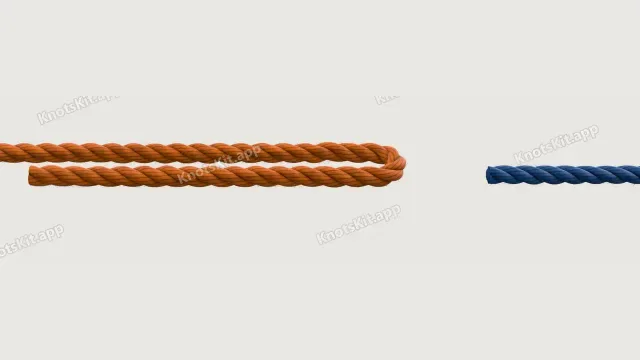
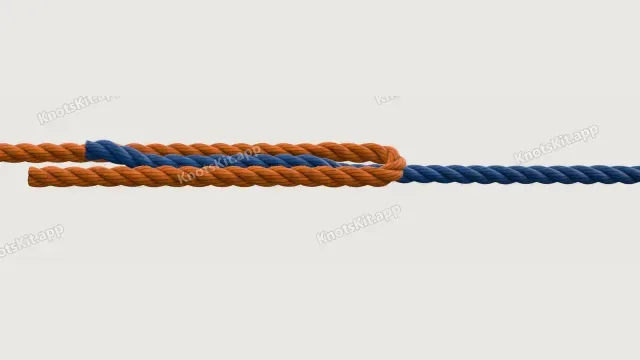
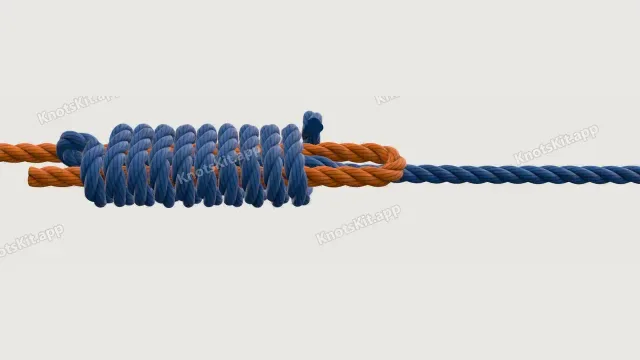
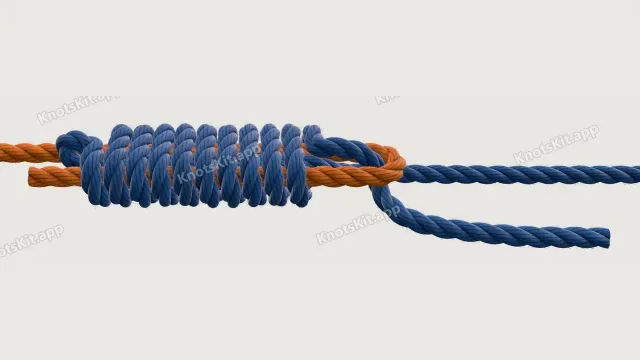
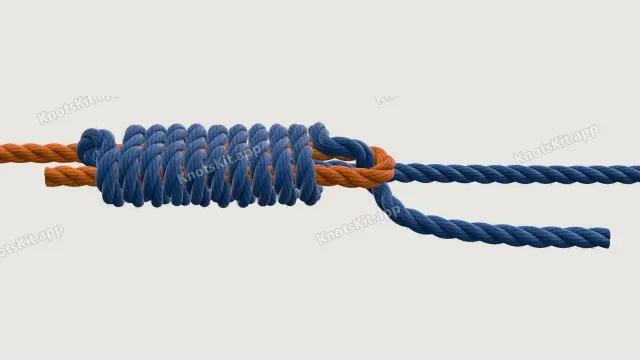
The Albright Special, or Albright knot, joins two lines of very different thickness or material, such as braid or thin mono to a much heavier leader. You fold the thick line into a narrow loop, wrap the thin line back over itself and both sides of that loop ten times, then pass it out where it came in. Neat, close turns are what make it hold.
- Type
- Bend
- Difficulty
- Hard
- Also called
- Albright Knot
- Line types
- Monofilament, Fluorocarbon, Braid
Step by step
What it’s for
Join two lines of very different thickness or material, such as braid or thin line to a thick leader.
When to avoid it
Avoid it if the turns cannot sit neatly: loose or crossed turns let the thinner line slip.
Check your knot
Neat, close turns lie along the loop with no gaps or crossings, and both free ends are trapped.
Tips
- Wet the knot before tightening to reduce friction.
- Trim the free end only after tightening and checking the knot. Follow the line maker’s guidance.
Where the Albright works best
- Thin main line to a shock leader. A light main line joined to a much thicker shock leader, the length of heavy line that takes the strain of the cast when you throw heavy sinkers from the beach.
- Braid to a thick leader. When the leader is far thicker than the braid, a join built around a loop in the leader suits the job better than two matching knots. If the difference is small, a uni-to-uni knot is quicker to tie well.
- Backing to fly line. In fly fishing it is a common choice for joining thin backing to the much thicker fly line, which makes the loop. Check what the fly line maker suggests.
Common mistakes
- A loop that is too wide or too short. Step 1 asks for a narrow loop. Pinch it flat, so the turns squeeze both sides together, and make it long enough to hold all ten turns side by side.
- Losing hold of the turns. During step 3, keep each turn pressed against the loop between finger and thumb while you make the next. Let go and the first turns spring loose, which is where gaps and crossings come from.
- Missing a side of the loop. Every turn goes over the thin line itself and over both sides of the loop. A turn that skips a side leaves that side with no grip.
- Leaving the loop on the wrong side. Step 4 sends the end out of the loop on the same side it went in. Out the other side, the end is not trapped and the knot can unwind.
- Pulling one strand only. Step 5 pulls both lines and both free ends. Heave on the thick line alone and the turns tend to bunch up and cross.
Tightening it
Wet the knot. Hold the loop of the thick line between finger and thumb and gently draw on the thin line, its long section and its free end, so the turns close evenly onto the loop. Then tighten in stages: both lines, both free ends, and a firm final pull on the two lines. Compare it with the finish check: close turns, no gaps, no crossings, both free ends trapped. Only then trim. For thin braid to a thicker leader, the Alberto knot adds a second layer of turns over the first.
Related knots
Questions people ask
Albright or Alberto: which should I tie?
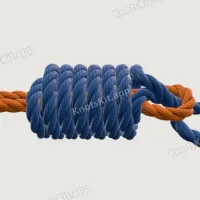
The Alberto is a modified Albright. The Albright lays one row of turns along the loop; the Alberto wraps away from the curve and then back over the first turns, so it ends up with two layers. Many anglers keep the Albright for thin mono to a heavy leader and pick the Alberto for thin, slippery braid.
Does the Albright Special work with braid?
It can, with care. Braid is slippery, so the turns have to be close, tight and free of crossings, or it can slide out under load. The steps show ten turns, a common count but not a rule: the line maker may suggest more, or a particular join, so follow their guidance. Wet the knot, tighten slowly and test it with a firm pull.
Will an Albright Special go through the rod rings?
A neat Albright is fairly slim and its turns follow the line, so it can pass the rings without much fuss. What tends to catch is a badly trimmed end, especially the stiff end of a thick leader. Trim both ends only after checking the knot, leaving what the line maker suggests.
Why does the thin line pull out of my Albright?
Usually the turns were loose or crossed, so they never gripped the loop. Other common causes: the end came out of the loop on the wrong side in step 4, the knot was tightened dry, or there were too few turns for a slippery line. Cut it and tie it again.