


How to tie a uni-to-uni knot
The uni-to-uni knot, also called the double uni knot, joins two fishing lines with two uni knots: each end ties one around the other line, then the knots slide together. It copes with lines of different thickness or type, which is why so many anglers use it to tie braid to a mono or fluorocarbon leader. Learn one uni knot and you already know half of it.
Step 1 of 5
Overlap the two lines, ends pointing in opposite directions.
- Type
- Bend
- Difficulty
- Medium
- Also called
- Double Uni Knot, Double Grinner Knot
- Line types
- Monofilament, Fluorocarbon, Braid
Step by step
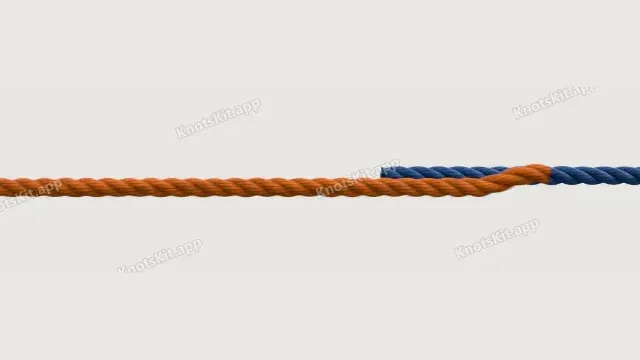
Step 1
Overlap the two lines, ends pointing in opposite directions.
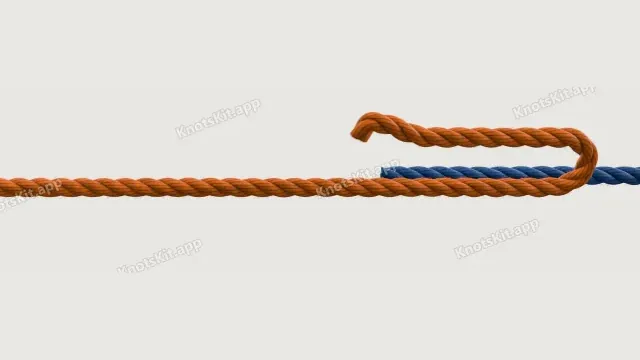
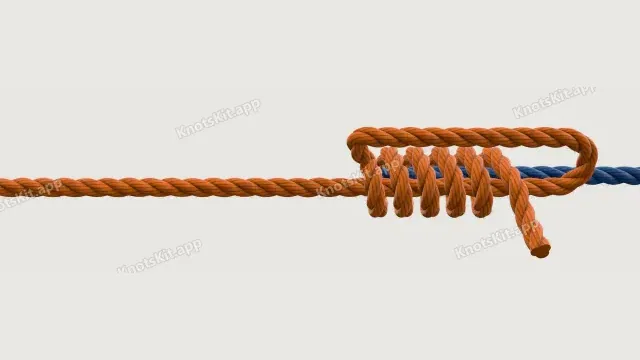
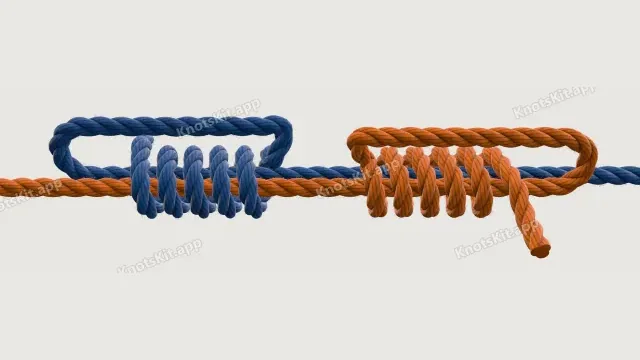
Step 4
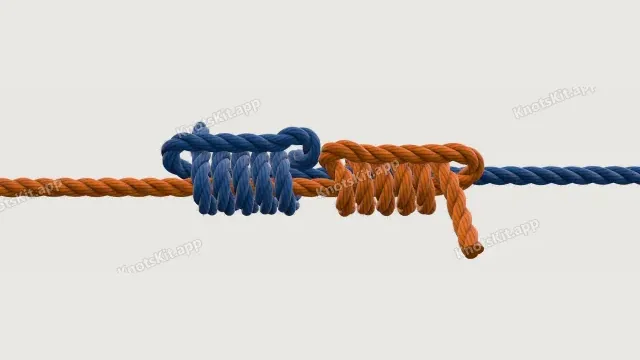
Tie the same knot with the other end, facing the other way.
Step 5
Tighten each knot, then pull the lines so the knots slide together.
What it’s for
Join two fishing lines, even of different thickness or type, such as braid to a mono leader.
When to avoid it
Avoid it if the join must run through the rod rings as smoothly as possible: its two knots make a slightly bulky join.
Check your knot
Two neat groups of turns sit against each other, the free ends leaving in opposite directions.
Tips
- Wet the knot before tightening to reduce friction.
- With braid, the line maker may suggest more turns on the braid side. Follow their guidance.
- Trim the free end only after tightening and checking the knot. Follow the line maker’s guidance.
Where the uni-to-uni works best
Each half is a uni knot tied around the other line, so if you already tie that one, there is little new to learn.
- Braid to a leader. Braid on the reel, joined to a mono or fluorocarbon leader: a very common set-up for lure fishing, and this is the join many anglers learn first.
- Lines of different diameter. A thin main line to a thicker leader, as long as the gap is moderate. When the leader is much thicker, a join built around a loop in the leader suits better.
- Filling a reel. Join new line to the backing or to the old line still on the spool, so you don’t have to fill the whole reel with fresh line.
Common mistakes
- Too little overlap. Each end needs enough line for a loop and five turns, so overlap the lines generously in step 1.
- Turns outside the loop. In step 3 every turn goes around both lines and through the loop from step 2. Turns that miss the loop unwind as soon as you pull.
- The second knot facing the same way. Step 4 ties the same knot facing the other way. Tied correctly, the free ends leave in opposite directions, as the finish check says.
- Sliding the knots before closing them. Step 5 is two pulls, in order: each free end closes its own turns, then the lines slide the knots together. Skip the first and the turns pile up as the knots meet.
Getting it through the rod rings
The uni-to-uni is a little bulkier than the slimmest joins, which you notice when it runs through the rod rings during a cast. Tighten both knots fully so no loose turn can catch, and trim the ends cleanly. If your leader is short enough that the knot stays outside the tip ring when you cast, the bulk hardly matters. If it goes through the rings on every cast and you can hear it ticking, learn the Albright or the Alberto. For two lines of the same type and close diameter, the blood knot gives a slimmer join.
Related knots
Questions people ask
Is the uni-to-uni knot good for braid to mono?
Yes, it is one of the joins anglers use most for braid to a mono or fluorocarbon leader. Braid is thin and slippery, so its half needs the most care. The steps show five turns a side; the line maker may suggest more on the braid side, so follow their guidance. Wet the knot, close each half slowly and test the join with a firm pull before you cast.
Uni-to-uni or Albright: which should I tie?
The uni-to-uni is easier to learn and covers most braid to leader joins. The Albright and the Alberto are built for lines of very different thickness: the thin line wraps around a loop folded in the thick one. Try them when the leader is much thicker than the main line, or when the join must pass the rod rings as smoothly as possible.
Uni-to-uni or blood knot?
Both join two lines end to end. The blood knot is slim and neat, but it is meant for mono or fluorocarbon of similar thickness and tends to slip with braid. The uni-to-uni is a little bulkier, yet it handles different diameters and braid, and many people find it easier to tie well.
Why does my uni-to-uni knot slip?
Usually the turns were never closed before the knots met. Step 5 has two parts: pull each free end until its turns sit tight, then pull the lines so the knots slide together. Do it all at once, or dry, and the turns can bunch or slip. With braid, too few turns on the braid side is the other common cause.