


How to tie a hook on fishing line
Use the Palomar knot. You fold the line in half and pass both strands through the hook’s eye, and it works with monofilament, fluorocarbon and braid. When a lure is too big to pass through the loop, switch to the uni knot. On monofilament or fluorocarbon you can also tie the improved clinch, which uses a single strand.
The best knot for this job
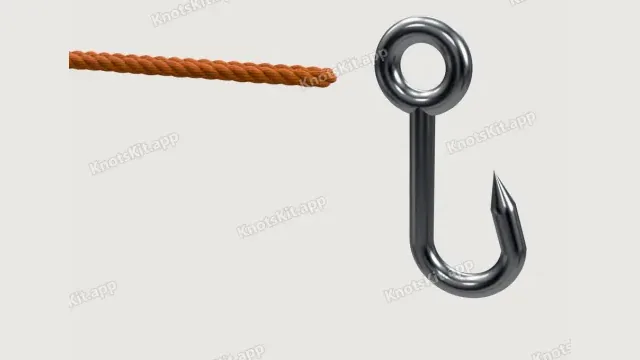
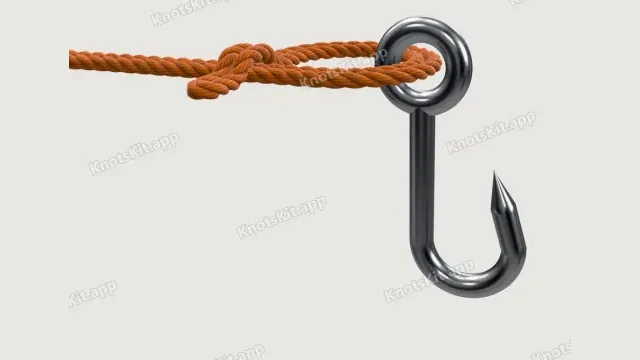
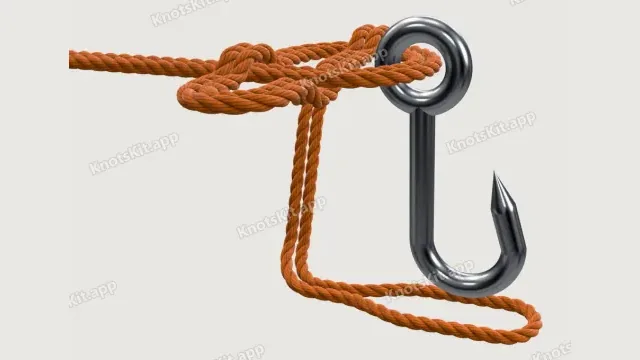
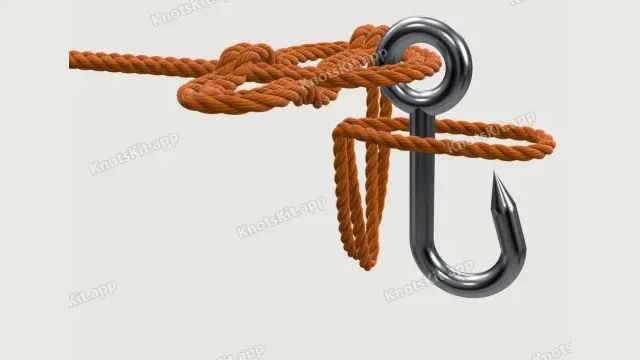
How to tie the Palomar Knot
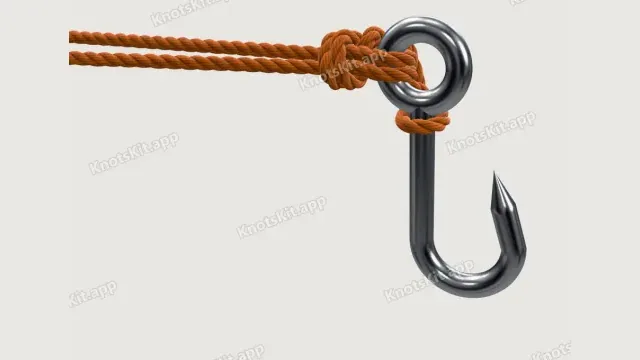
Your options
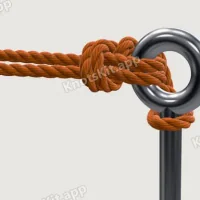 Palomar KnotTie fishing line to a hook or lureThe first choice for a hook, a small lure or a swivel, on mono, fluorocarbon or braid. The loop has to be big enough to pass over whatever you are tying on.
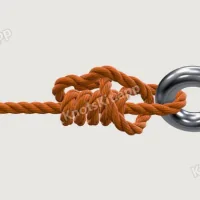 Improved Clinch KnotTie fishing line to a hook or swivelA good pick on monofilament or fluorocarbon when you don’t want to fold the line, for example with a long lure carrying several hooks. Skip it with braid or very thick mono, where it can slip.
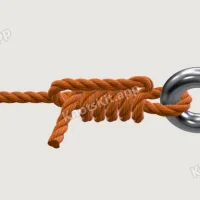 Uni KnotTie fishing line to a hook, lure or reelTie it when the lure won’t fit through a Palomar loop, or when you want one knot for hooks, swivels and the reel spool. With very thin braid, check the line maker’s guidance first.
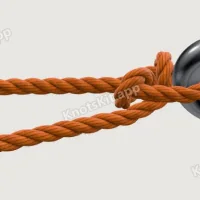 Davy KnotA tiny, quick knot for a fly or hookPick it to tie a fly or a small hook to a thin leader quickly, using very little line. It has very few turns, so skip it with braid or thick line, where it can slip.
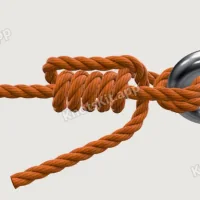 Trilene KnotTie line to a hook with a double loopFor mono or fluorocarbon when you want extra grip, because the line passes through the eye twice. Skip it if the eye is too small for two passes, or with braid, where it can slip.
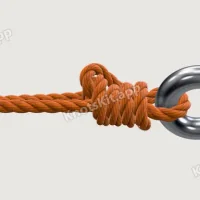 Pitzen KnotA compact knot for hooks and luresA small, compact knot for mono or fluorocarbon, also known as the 16-20 knot. Skip it with thick, stiff line, where the turns resist closing, or with braid, where it can slip.
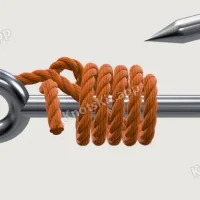 Snell KnotBind the line to the hook’s shankPick it for bait hooks and circle hooks, when you want the pull to run straight along the shank. It needs a hook’s shank to grip, so it won’t do for lures or swivels.
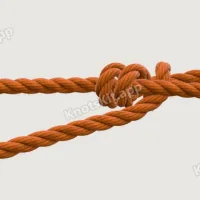 Double DavyA Davy knot with an extra turn for gripThe Davy knot with one more turn, for extra grip on a fly or a small hook. Skip it with braid, and if the two turns cross as you tighten, undo it and tie it again.
Tie it well
Start with more line than you think you need. A short end is hard to handle, and the knot ends up rushed. Before you tie, run the line through the hook’s eye and make sure it slides freely: a rough edge on the eye can nick it.
Wet the knot, then tighten it slowly and steadily, pulling the long section and, for the Palomar, the free end together. A knot pulled tight with a jerk can seat badly. Look at it before you trim: the turns should sit neatly, with no strand crossing over another.
Check it, and retie it
Hold the hook with pliers or a cloth and give the long section a firm pull. If the knot creeps or the turns open, cut it off and tie it again. Retie after a big fish, after pulling free from a snag, or whenever the line near the knot looks scuffed or curly.
Questions people ask
What is the best knot to tie a hook on braid?
The Palomar is a common choice for braid. Braid is slippery, though, and a line maker may recommend particular knots for their own line, so check that first. Avoid the improved clinch on braid, where it can slip, and with very thin braid look at the guidance before you rely on the uni knot too.
Why should I wet the knot before tightening it?
Pulling dry line tight creates friction, and the heat can weaken monofilament and fluorocarbon right at the knot. A little water lets the turns slide into place and bed down evenly. Then pull steadily rather than with a jerk, and look at the turns before you trim the free end.
How short can I trim the free end?
There is no length that suits every line. Trim the free end only after the knot is tightened and checked, and follow the line maker’s guidance. Cut too close and the end can work back into the knot; leave too much and it can pick up weed and debris.
Can I use the same knot for a hook, a swivel and a lure?
Mostly, yes. The Palomar works on a hook, a swivel or a small lure, as long as the loop passes over it. The uni knot covers the same jobs and also ties line to the reel spool. A bulky lure with several hooks is easier with the uni knot or, on mono and fluorocarbon, the improved clinch.