


How to tie a pile hitch
The pile hitch ties a rope to a post in seconds, and you do not need the rope’s end. You fold the rope into a U, take it around the post, bring it back over both sections and lift the loop over the top. It suits mooring and fence posts, as long as you can reach the top. If the rope pulls upwards or goes slack, it can lift off.
- Type
- Hitch
- Difficulty
- Easy
Step by step
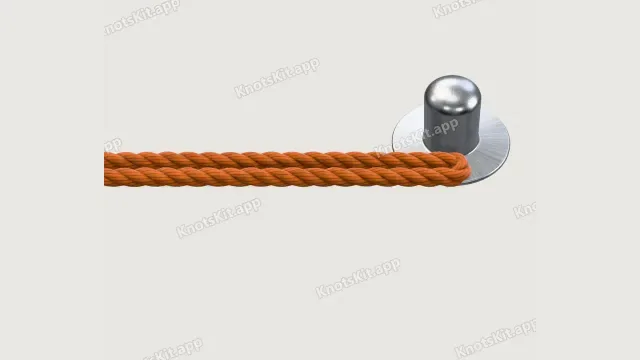
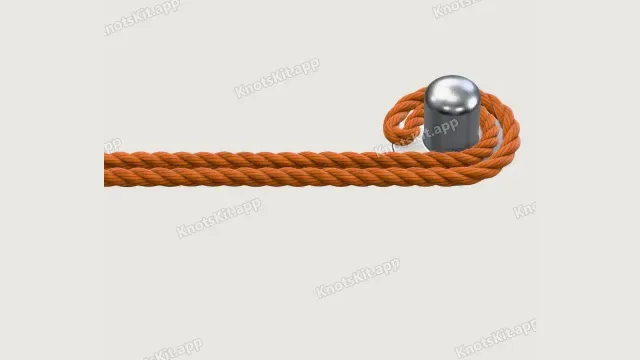
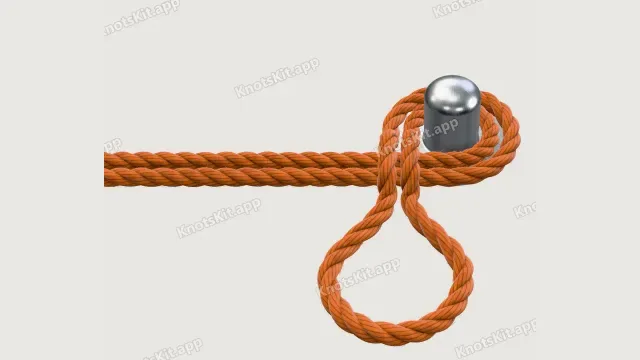
Step 3
Bring the U back over both sections of rope and open it into a large loop.
Make the loop large enough to pass over the post.
What is the folded end?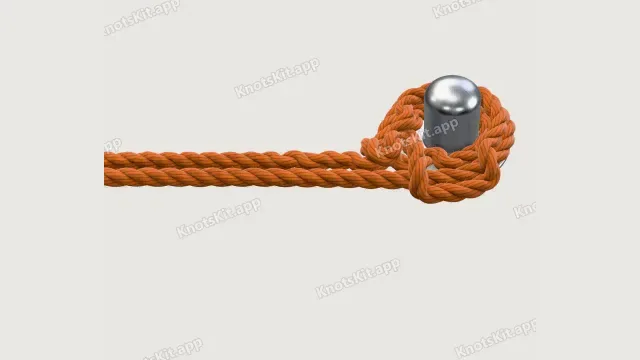
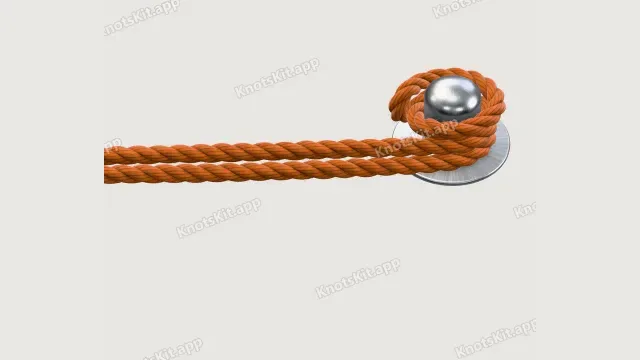
What it’s for
Tie a rope to a post quickly without using its end, as long as you can reach the top of the post.
When to avoid it
Avoid it if the top of the post is out of reach or closed off. It can lift off if the rope pulls upwards or goes slack.
Check your knot
The doubled rope goes around the post and the loop sits around it too. Both sections leave the post side by side.
Tips
- You can tie it anywhere along the rope: you do not need a free end.
- Keep the knot low on the post, so the pull is less likely to lift it off.
Where the pile hitch is useful
- Mooring posts on a short stop. Step ashore with a fold of rope, drop it over the post and the boat is held, with both ends of the rope still on board.
- A rope along a row of stakes. A temporary barrier, or a line marking a path: tie the hitch in the middle of the rope at each stake, without feeding the whole length around every time.
- Rope with both ends taken. When the ends are already tied to something, or buried under a pile of coils, you can still fix the middle to a post.
Keeping it on the post
The loop around the post is what holds the rope: while it stays on, the rope cannot pull free. The pull on the two long sections tightens the doubled rope against it, but nothing pins it from above. A level or downward pull keeps it seated. A pull that rises towards the top walks it up the post, and a rope that hangs slack can ride up and lift off on its own.
So look at where the rope will go before you tie. If it will sit slack for long stretches, or you cannot reach over the post, tie a clove hitch with the end. On a boat with a proper cleat, the cleat hitch is the obvious choice. When the thing you are tying to is a ring and not a post, the close relative to use is the cow hitch.
Common mistakes
- U passing under the sections. Step 3 brings the U back over both sections of rope. Take it under them and the rope lies differently, so the finished hitch will not match the finish check. Lift it off and redo the step.
- Loop opened too late. Open it fully at step 3, before you lift. On a thick post a small loop catches on the rim at step 4, and you end up pulling rope through by the handful.
- Twisting the loop. At step 4 lift it over as it lies. A twist puts an extra crossing in the rope, and the hitch will not sit flat against the post.
- Pulling one section only. At step 5 pull both long sections together. Pull one and the rope slides around the post, leaving the doubled turn uneven and the sections no longer side by side.
Related knots
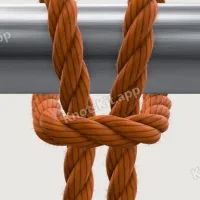
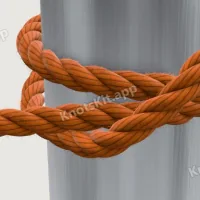
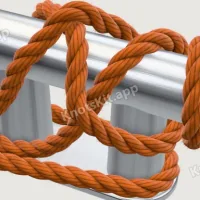
Questions people ask
Can a pile hitch come off the post?
Yes. Nothing holds it down from above, so a pull that lifts the rope, or a rope that goes slack and rides up the post, can take it over the top. Tie it where the pull stays level or downwards, and look at it again if the load or the water level changes.
Pile hitch or clove hitch: which should I tie?
The pile hitch is quicker when the rope’s end is out of reach or already tied to something, because it works from the middle of the rope. A clove hitch tied with the end does not need the top of the post, and you can adjust it by feeding rope through. On a post you cannot reach over, the choice is made.
Can I moor a boat with a pile hitch?
For a short stop in calm water, at a post you can reach, it works and it lifts off in a moment. For longer, or where the boat rises and falls, the rope can lift and slacken, which is what this hitch handles worst. A bowline dropped over the post is usually a better choice.
How do you untie a pile hitch?
Slacken the rope and lift the loop back over the top of the post. The rest unwraps by itself and no knot stays in the rope, because without the post there is nothing to hold it together. That is handy when you are moving along a row of posts or need to free a rope with one hand.