


How to tie a bowline knot
The bowline puts a fixed loop at the end of a rope: a loop that keeps its size when you pull on it, and that you can usually untie without a fight once the load is off. Sailors drop it over a post, campers hang gear from it, and it works almost anywhere you need a loop that won’t slide.
Step 1 of 6
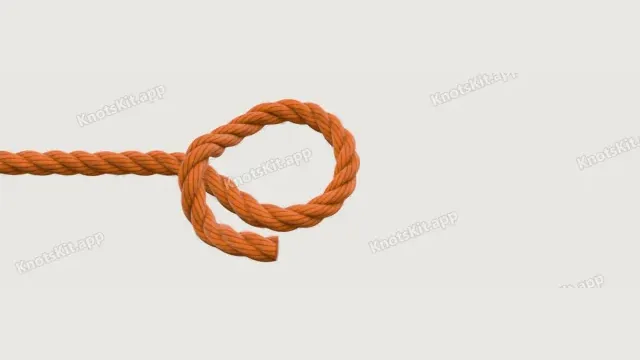
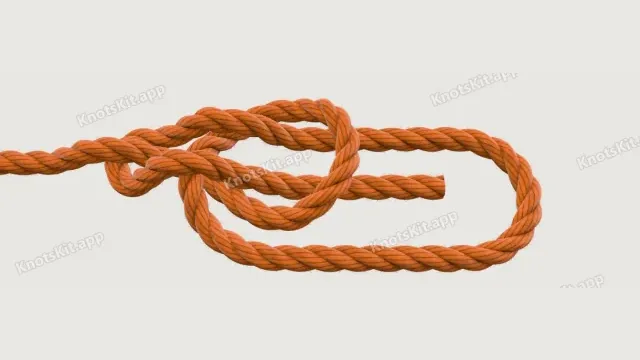
Cross the free end over the long section to make a small loop.
- Type
- Loop
- Difficulty
- Medium
- Also called
- Boling Knot, Standing Bowline, Bowling Knot
Step by step
Step 2
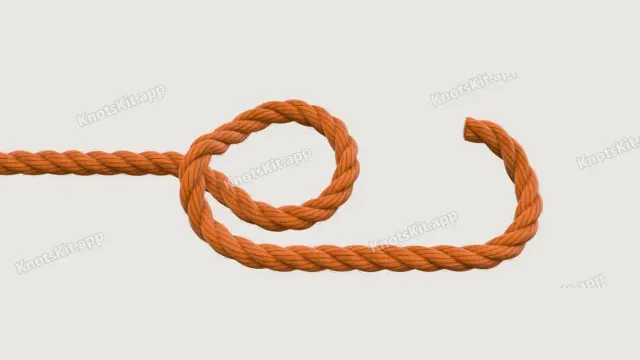
Bring the end around to make a large loop.
Choose the size of the large loop now.
What's a loop?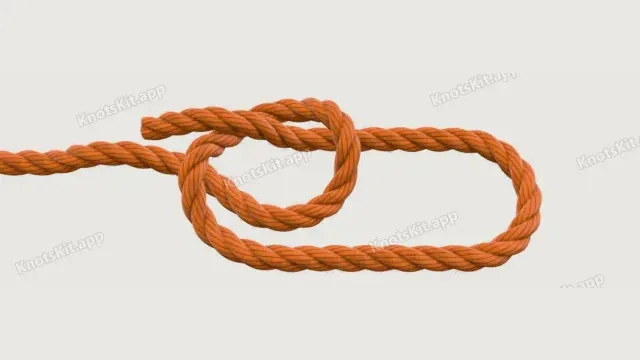
Step 3
Pass the end up through the small loop.
Hold the small loop open with your thumb.
What's a loop?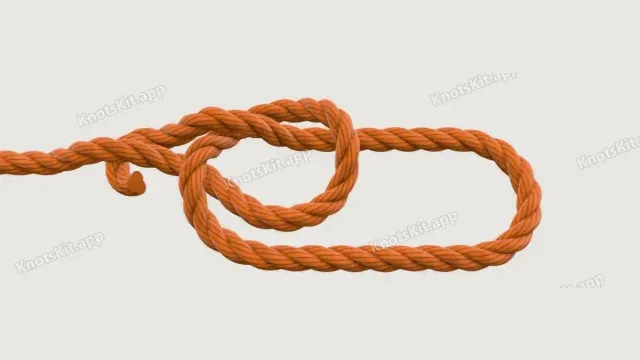
What it’s for
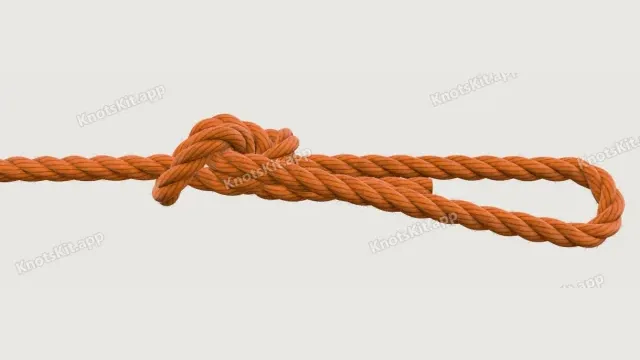
Make a loop that keeps its size when you pull the rope. It is usually easy to untie afterwards.
When to avoid it
Avoid it if the rope will hang loose and move around: the knot can loosen. For climbing, follow your instructor’s guidance on the knot and its backup.
Check your knot
The small loop grips the free end and the side of the large loop next to it. The end wraps once around the long section.
Tips
- Leave enough rope beyond the knot. The length depends on the rope and how you use it.
- Check again after the rope has been loose or shaken.
Climbing and rescue: learn this knot with a qualified instructor and check it before every use. This page does not replace hands-on training.
Where the bowline is useful
- Mooring and docking. Tie the loop first, then drop it over a post or a bollard from the boat. When you leave, lift it off; nothing to untie.
- Around a tree, a ring or a rail. Pass the free end around the object before you start, then tie the knot with that end. The loop sits around the object without gripping it.
- A loop to hang or pull from. A bag on a branch, a line to a tarp, a tow loop. Pick the size of the large loop at step 2 and it will stay that size.
Common mistakes
- The small loop is the wrong way round. In step 1 the free end crosses over the long section. If it crosses under, the end has nothing to lock against and the knot slips when you pull.
- The end finishes outside the large loop. Go back to steps 4 and 5: the end goes behind the long section and back down through the small loop, so it finishes inside the large loop.
- Too little end. A short end can work its way out. How much to leave depends on the rope and the job, so err on the long side.
- Using it loose. Tighten it before you load it. A bowline that has only been shaped, not pulled tight, can slip.
Why it can shake loose
A bowline holds well while it is under load. Trouble starts when the load comes and goes, or the rope flaps around unloaded: the knot can loosen little by little. Pull it tight, check it after the rope has been slack, and where that risk matters choose a knot that stays put, like the figure eight loop. On stiff or slippery rope, the double bowline adds a turn that grips better.
Related knots
Questions people ask
Is the bowline safe for climbing?
Many climbers tie in with a figure eight follow-through instead, because it is easier to check at a glance and does not loosen when the rope moves around. Climbers who use a bowline usually add a backup. Follow your instructor’s guidance on the knot and its backup, and check it before every climb.
How do you untie a bowline after it has held a load?
Take the load off first. Then bend the knot back on itself, pushing the part that wraps around the long section away from the large loop. The knot loosens and pulls apart. Being easy to untie after a load is one of the main reasons people choose it.
Why does my bowline come undone?
Usually because the rope hung slack and moved around for a while, or because the end was not pulled tight. Leave enough end beyond the knot, tighten it firmly before use and check it again whenever the rope has been loose or shaken.
What is the difference between a bowline and a figure eight loop?
Both make a fixed loop. The bowline is quicker to tie around something, like a post or a ring, and easier to untie after a load. The figure eight loop stays put when the rope is slack and is easier to check, which is why it is the usual choice in climbing (to tie into a harness, climbers use its follow-through version).