


How to tie an arbor knot
The arbor knot ties fishing line to the empty spool of a reel. You take the end around the spool’s core, tie an overhand knot around the main line and a second one in the free end, then pull until the loop closes on the core. It is easy to learn, but on a smooth spool braid needs some help to stop it spinning.
- Type
- Hitch
- Difficulty
- Easy
- Line types
- Monofilament, Fluorocarbon, Braid
Step by step
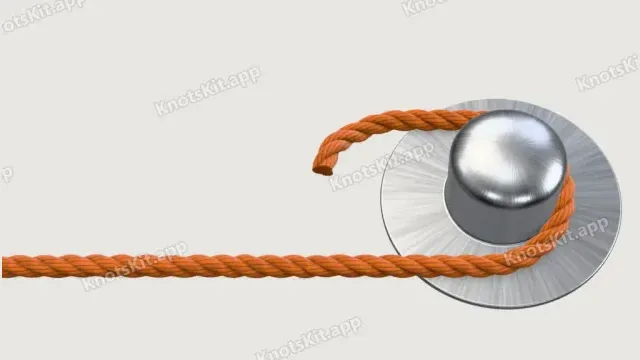
Step 1
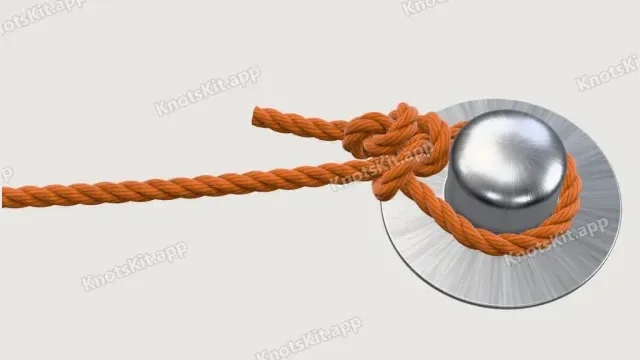
Take the end around the spool’s core.
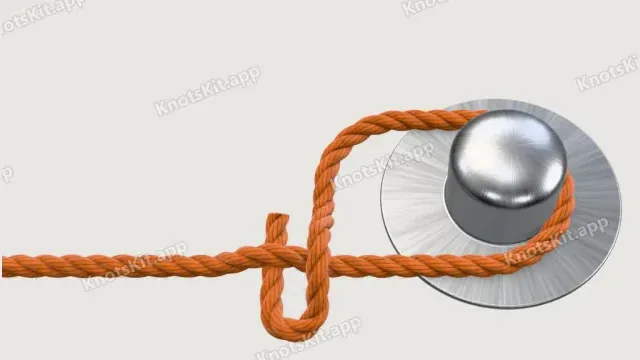
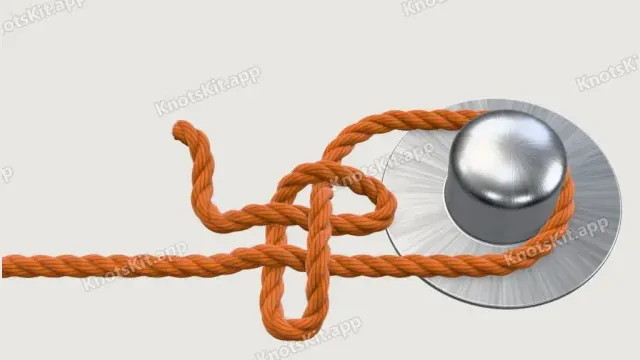
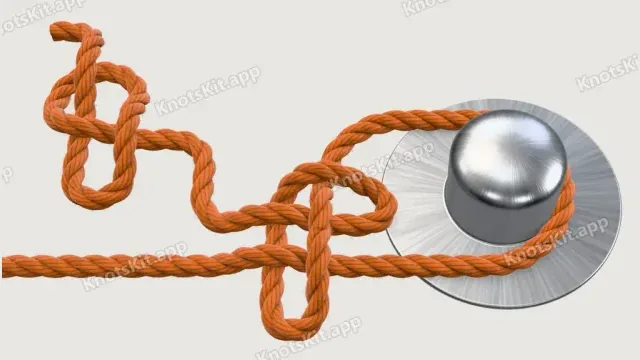
Step 5
Tighten the second knot, then pull the main line so both slide down to the core.
What it’s for
Tie the line to an empty reel spool before you wind it on.
When to avoid it
Avoid it with braid straight on a smooth spool: the line can spin around it. Put on a layer of monofilament or a strip of tape first.
Check your knot
The loop has closed around the spool’s core, and the two overhand knots sit pressed together.
Tips
- Wet the knot before tightening to reduce friction.
- Keep the line under tension as you wind it on, so the first turns lie tight.
- Trim the free end only after tightening and checking the knot. Follow the line maker’s guidance.
Where the arbor knot is useful
Arbor is simply another word for the spool’s core, and that is the one thing this knot ties to.
- Spinning reels and baitcasters. Any spool you fill from empty. On a spinning reel, open the bail arm first: the line should already come through the rod rings, and the arm closes over it once the knot is tied.
- Fly reels. The backing goes on first, and this knot ties it to the core.
- Braid on a prepared spool. A layer of monofilament or a strip of tape gives the knot a surface to bite on. A uni-to-uni knot joins the braid to a monofilament layer. The uni knot also ties to a spool, and it needs the same preparation.
Common mistakes
- Bail arm closed. On a spinning reel it has to be open at step 1. Tie the knot with it shut and the line runs outside the arm, so you have to cut it and start again.
- Too little free end. Step 4 ties a whole knot in whatever is still in your hand after step 3. Keep plenty of end: trimming it later is easy.
- Second knot still loose. Step 5 tightens it first, and only then do you pull the main line. A loose stopper can pass through the first knot, and the loop loses its block.
- Stopping short. Keep pulling at step 5 until the loop has closed around the core and the two knots are pressed together. With a gap between them, the loop can open up again.
Filling the spool
Wet the knot before you pull at step 5, and draw the main line steadily instead of jerking it. Then hold the spool still and give the line a firm tug. If the loop turns around the core, it is not gripping, and with braid that means the tape or the monofilament layer is missing. Only now trim the free end, following the line maker’s guidance. As you wind on, run the line between finger and thumb, or through a damp cloth, so the first turns lie tight.
Related knots
Questions people ask
Can I tie braid to a reel with an arbor knot?
Not straight onto a smooth spool. Braid is slippery, so the knot can close without really gripping, and the whole line then spins around the core when you reel in. Put on a layer of monofilament or a strip of tape first, so the knot has something to bite on, and check what the line maker recommends.
Arbor knot or uni knot: which should I use on the spool?
Both do the job. The arbor knot is the simpler of the two, just two overhand knots, and it stays small against the core. The uni knot takes a little longer, but if you already tie it for hooks and swivels you have one less knot to remember. With braid, the spool needs the same preparation either way.
Why does it need two overhand knots?
They do different jobs. The first, around the main line, makes the sliding loop that closes on the core. The second, in the free end, is a stopper: when you pull the main line it jams against the first knot, so the end cannot pull through. Without it the loop can open again as you start to wind.
Can I use it on a fly reel?
Yes, it is a common way to tie the backing to the core of a fly reel. The job is the same: a small knot that closes on the spool and disappears under the line. Wind the first turns on under tension so they bed down over the knot, and on a very smooth spool check what the reel maker suggests.