


How to tie a bow knot
The bow knot, or shoelace knot, is the one you tie your shoes with: a square knot finished with two loops, so one pull on a free end opens it. It closes laces, parcels and sacks in seconds. It is made to come undone, so it is not for joining ropes or holding a load. A bow that sits crooked usually started with the wrong crossing.
- Type
- Binding knot
- Difficulty
- Easy
- Also called
- Shoelace Knot, Slipped Reef Knot, Slipped Square Knot
Step by step
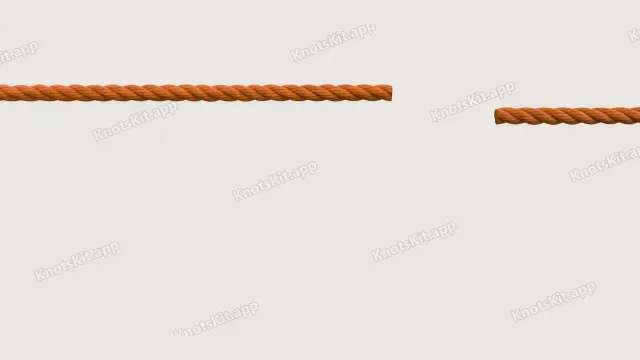
Step 1
Lay one end across, towards the other.
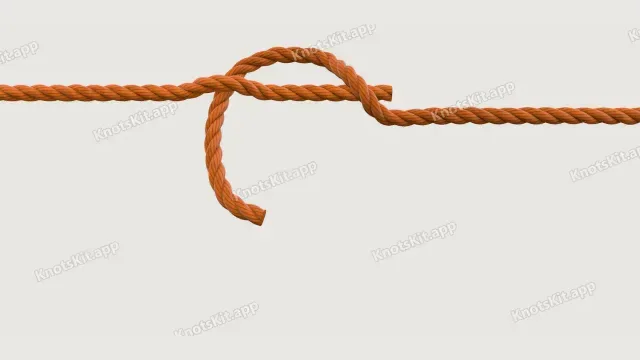
Step 2
Pass the other end over it, then under it.
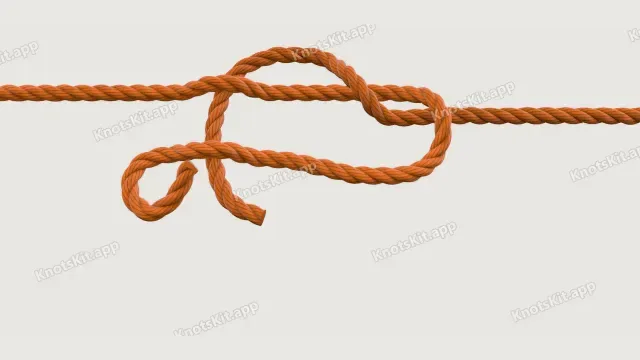
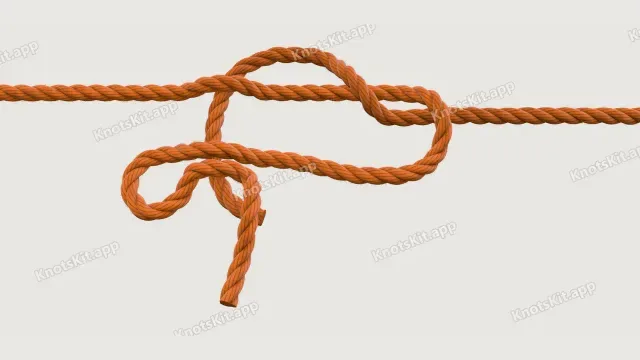
Step 4
Bring the end back towards the middle and let it lie towards you.
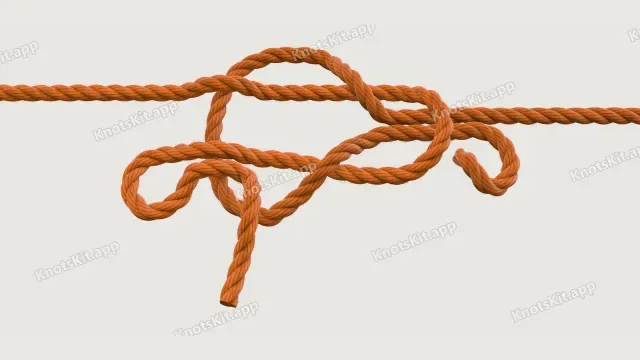
Step 5
Take the second end across, under the curve of the first, and curl it into a loop.
What's a loop?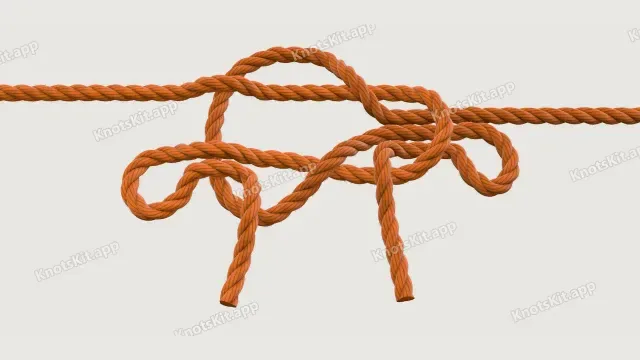
Step 6
Pass the end back under that curve and let it lie towards you.
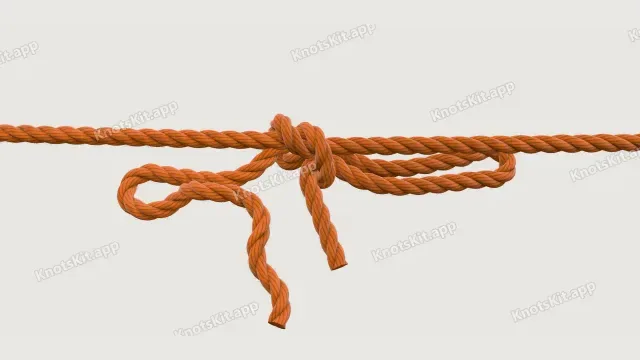
What it’s for
Tie shoelaces, or close a parcel or a sack. One pull on a free end opens the knot.
When to avoid it
Do not use it to join two ropes or to hold a load: it is made to be undone quickly. If a free end catches on something, the knot can open.
Check your knot
Two loops and two free ends come out of a small, tight knot. The loops lie on opposite sides of it, along the rope.
Tips
- Leave enough rope beyond the knot. The length depends on the rope and how you use it.
- If the loops twist out of line, undo the knot and reverse the first crossing.
Where the bow knot is useful
- Shoes and boots. The job everyone knows it for. A well-tied bow usually stays closed as you walk, and one pull opens it.
- Parcels and ribbon. String or ribbon around a box, with the two loops in line for a tidy finish.
- Sacks and stuff bags. The neck stays shut, and you do not have to pick at a knot every time you open it.
- Anything you tie and untie every day. Apron strings, a rolled mat, the ties on a tent bag.
Common mistakes
- The first crossing the wrong way round. Steps 1 and 2 decide how the bow will sit. If the finished loops twist out of line, the two halves crossed the same way. Undo the knot and make the crossing at step 2 the other way round.
- Going over the curve at step 5. The second end goes under the curve of the first. Take it over and the two halves no longer lock as they should, so the bow sits crooked.
- Losing a loop at step 6. The end passes back under the curve and stops there. Keep pulling it through and the second loop shrinks until it disappears, and you are down to one.
- Tightening with the free ends. At step 7 you pull the loops outward. The free ends are the release: pull one and the knot opens.
Why it comes undone, and how to stop it
A good bow has its two loops in line with the cord, on opposite sides of a small, tight knot. On a shoe that means the loops lie across the shoe. If they point at the toe and the ankle, the crossings went the same way twice. That bow is a slipped granny knot, and it works loose as you walk. The cure takes no practice: reverse the first crossing and tie the rest as usual.
For boots, or laces that keep working loose, tie the two loops together once more. It stays closed better, but it takes longer to undo. When a bundle has to stay shut even if something catches on it, skip the loops and tie a square knot, or a surgeon’s knot if the bundle pushes back.
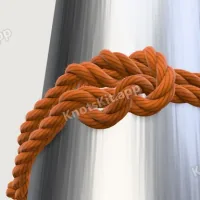
Related knots
Questions people ask
Why do my shoelaces keep coming undone?
Often the bow is crooked. If both halves of the knot cross the same way, you get a slipped granny knot, which twists and works loose as you walk. Look at the loops: they should lie across the shoe, not point at the toe and the ankle. If they point that way, undo the knot and reverse the first crossing.
Is a bow knot the same as a square knot?
It is a square knot with both ends folded back into loops. The two halves cross the opposite way, just as in a square knot, which is why it is also called the slipped square knot or slipped reef knot. The loops are the difference: one pull on a free end draws a loop out and the knot opens.
How do you tie a bow knot that stays tied?
Start with the crossing, because a straight bow holds much better than a crooked one. Pull the loops firmly outward at step 7. For boots or slippery laces, tie the two loops together once more with an extra crossing. It stays closed better, though you will have to undo that crossing first when the shoes come off.
Can I use a bow knot on ribbon or gift wrap?
Yes, it is the same knot. Keep the ribbon flat as you make the crossings, because any twist shows in the finished bow. If the loops sit crooked, undo it and reverse the first crossing. On a parcel that will be posted, tie a square knot instead: a free end that catches on something can open a bow.
Can a bow knot hold a load?
No. It is made to be undone quickly, and if a free end catches on something the knot can open. Do not use it to join two ropes, to hang anything or to tie anything down. Keep it for laces, parcels and sacks, where a knot that opens only means tying it again.