


How to tie a double bight figure eight
The double bight figure eight, often called bunny ears, makes two adjustable loops in the middle of a rope, to share a load between two anchor points. You can feed rope from one loop to the other to set their sizes. That freedom is also its limit: if only one loop is loaded, or one anchor point fails, rope can run through the knot.
Step 1 of 8
Fold the rope to make a long U.
Make the U long: it has to go around the whole knot.
- Type
- Loop
- Difficulty
- Hard
- Also called
- Bunny Ears, Two Loop Figure Eight Knot, Y-Hang, Double Figure 8 Loop, Double Flemish Loop, Double Loop Figure Eight, Canadian Eight, Canadian Figure 8
Step by step
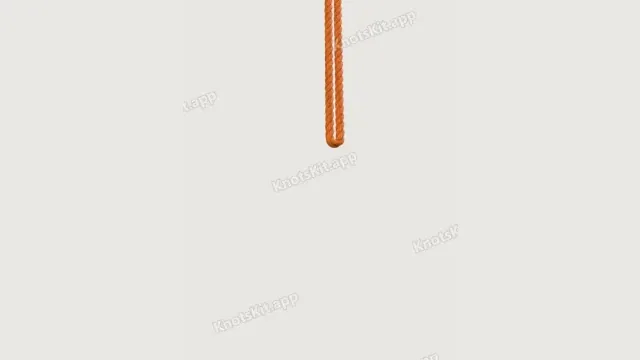
Step 1
Fold the rope to make a long U.
Make the U long: it has to go around the whole knot.
What is the folded end?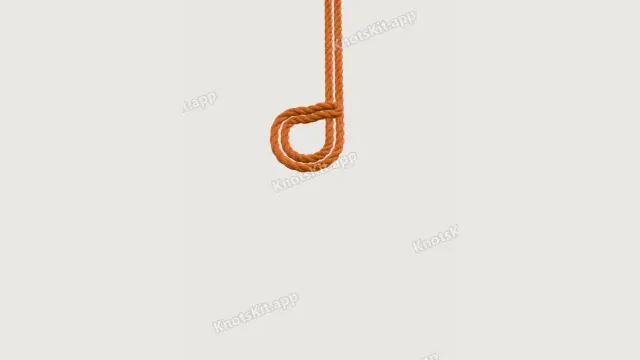
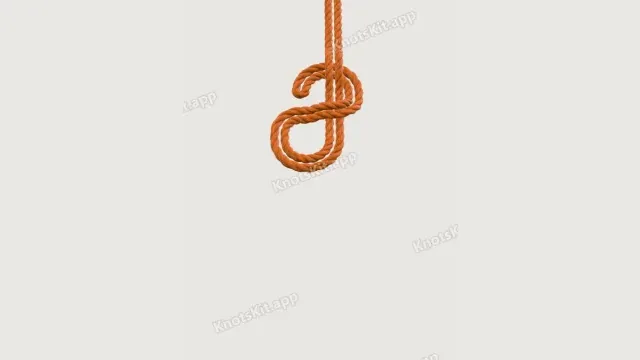
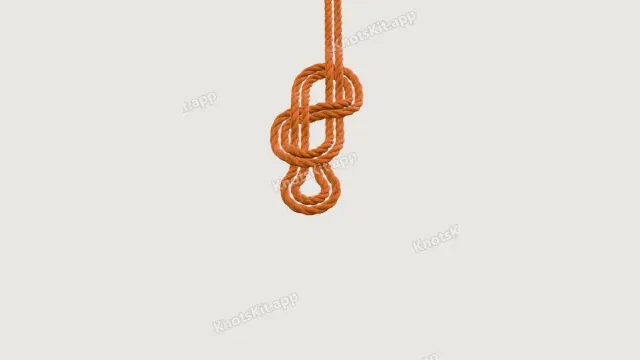
Step 4
Pass the folded end down through the first loop and around, making two small loops below the knot.
What is the folded end?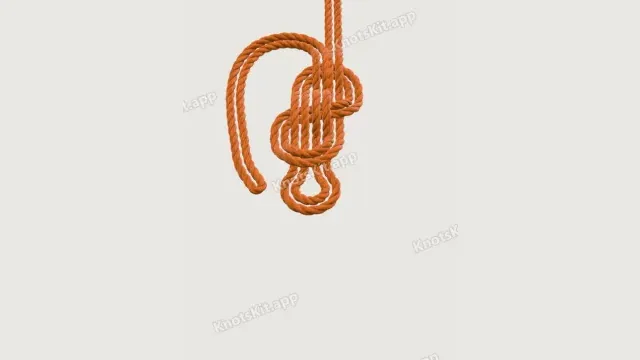
Step 5
Bring it back up through the first loop and pull a long length out over the knot.
What's a loop?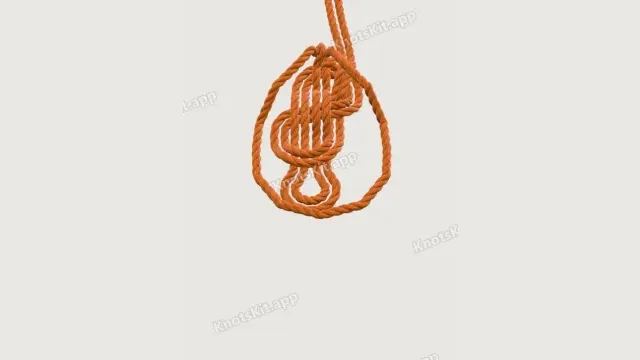
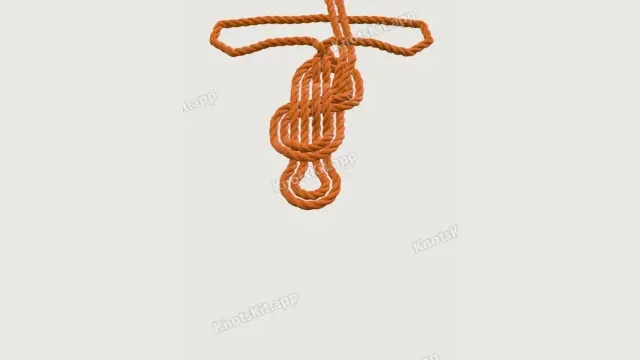
Step 7
Carry it on under the knot and up behind it, around the long sections.
Which is the long section?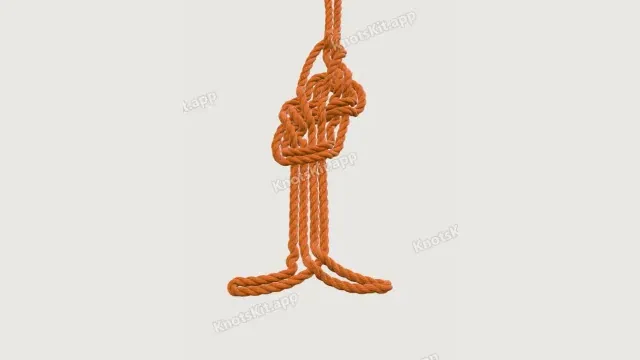
Step 8
Pull the two loops out until the folded end closes around the long sections.
What is the folded end?
What it’s for
Make two adjustable loops in the middle of a rope, to share a load between two anchor points. You can feed rope from one loop to the other to set their sizes.
When to avoid it
The two loops share one rope: if only one is loaded, or one anchor point fails, rope can run through the knot and shift the load. For climbing or rescue, train with a qualified instructor.
Check your knot
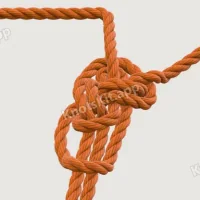
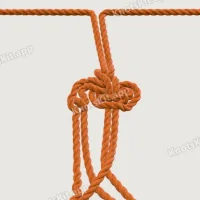
Two large loops come out below the knot, and the folded end closes around both long sections above it.
Tips
- Set both large loops to the size you need before the final pull.
- Keep the two sections of doubled rope side by side through the knot, so neither twists over the other.
- Keep the angle between the two large loops narrow: a wide angle adds load on each anchor point.
- Before you load it, check that the folded end has closed around both long sections.
Climbing and rescue: learn this knot with a qualified instructor and check it before every use. This page does not replace hands-on training.
Where it is used
- Sharing a load between two anchor points. One knot and two loops, each clipped to its own point. The name Y-hang comes from the shape the rope makes.
- Anchor points at different distances. Because rope can feed from one loop to the other, you can make one loop longer than the other before the final pull.
For climbing or rescue, train with a qualified instructor before you use it. This page shows the knot, not how to build an anchor.
Common mistakes
- A U too short. Step 1 asks for a long U because it has to go around the whole knot at steps 6 and 7. Too short and it will not reach.
- Twisted doubled rope. From step 2 on, the two sections run side by side through the knot. If one twists over the other, go back and lay them flat.
- Too little pulled out. At step 5 a long length comes out over the knot. With too little, the folded end will not open wide enough to go over the small loops at step 6.
- Catching only one small loop. At step 6 the opened folded end goes down over both small loops, then at step 7 under the knot and up behind it.
- Stopping before it closes. At step 8 the folded end has to close around both long sections. Until it does, the knot is not finished. Set both loops before the final pull, and check it before you load it.
Two loops, one rope
The two loops look like two separate connections, but they are one rope running through one knot. That is what lets you size them, and it is also the weak point: the load is shared only while both loops are working. If only one is loaded, or one anchor point fails, rope can run through the knot and shift the load. When you plan the system, do not count them as two independent ties.
If one loop is enough, a figure eight loop is simpler. For two loops that usually untie easily, there is the bowline on a bight. Whichever you tie, keep the angle between the loops narrow and check the knot before every use.
Related knots
Questions people ask
Is the bunny ears knot safe for anchors?
It is used in climbing and rescue to share a load between two anchor points, but the two loops share one rope, so they are not independent. How it behaves depends on the anchors, the angle and the whole system. Anchors are something to train on with a qualified instructor. This page shows only how the knot is formed.
What happens if one anchor point fails?
Rope can run through the knot and shift the load. The loop that lost its anchor can feed rope into the other, so the load can move suddenly, and the remaining anchor point takes all of it. The same kind of shift can happen if only one loop is loaded. Plan for it with your instructor.
How do you adjust the two loops?
Before the final pull at step 8, feed rope from one loop to the other until both are the size you need, keeping the two sections of doubled rope side by side. Once the knot is tight, and especially once it has held a load, that gets harder, so settle the sizes first.
Why does the angle between the two loops matter?
A wide angle adds load on each anchor point. Keep the angle between the two large loops narrow, which usually means longer loops or anchor points closer together. How to judge that angle on a real anchor, and what to do when you cannot keep it narrow, is one more thing to learn with a qualified instructor.
Bunny ears or bowline on a bight: which should I tie?
Both make two loops in folded rope, and in both you set the sizes before the final pull. The bowline on a bight usually unties without a fight once the rope is slack, while a figure eight can be stubborn after a heavy load. For climbing or rescue the choice depends on the system, so follow your instructor.