


How to tie a figure nine loop
The figure nine loop is a figure eight loop with one more half turn. You fold the rope, take the folded end around the doubled rope, add the extra half turn and tuck it through the first loop. The result is a bulkier fixed loop that some rescuers and riggers choose because it tends to be easier to untie after a heavy load.
Step 1 of 6
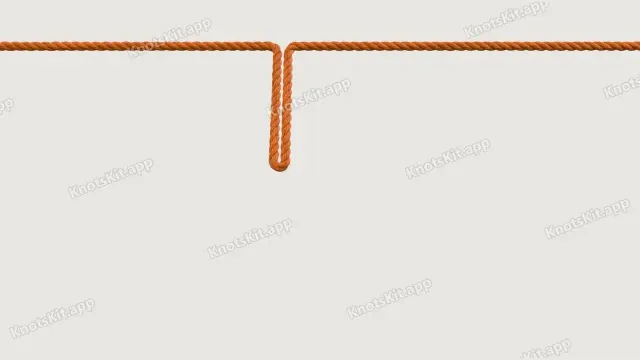
Fold the end back alongside the long section to make a long U.
- Type
- Loop
- Difficulty
- Medium
- Also called
- Figure-of-Nine Loop, Figure 9, Figure-of-Nine on a Bight
Step by step
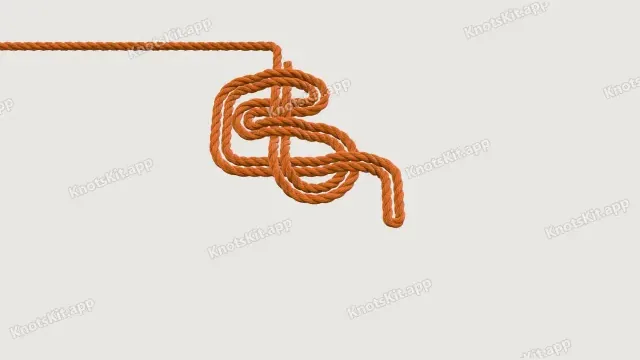
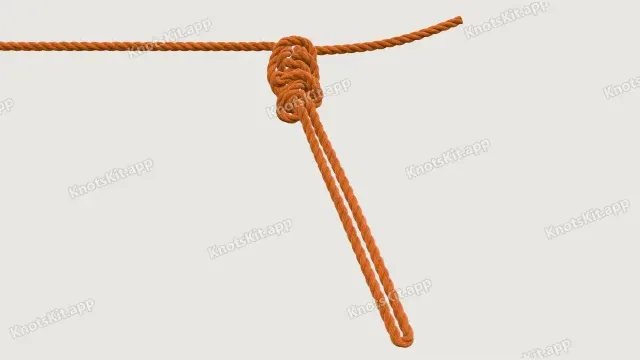
What it’s for
Make a fixed loop like the figure eight loop, with an extra half turn that often makes it easier to untie after a heavy load.
When to avoid it
It takes more rope and is bulkier. For climbing or rescue, use it only as your instructor teaches it.
Check your knot
The doubled rope follows the same path all the way, with one more crossing than a figure eight.
Tips
- Keep the paired sections together as you tighten, so neither twists over the other.
Climbing and rescue: learn this knot with a qualified instructor and check it before every use. This page does not replace hands-on training.
Where the figure nine loop is useful
- Rigging that takes a heavy load. Hauling, lowering or anchoring gear, where the loop will be pulled hard and then has to come apart. For rope rescue and work at height, use it only within a system you have been trained on.
- Thick or stiff rope. The extra half turn spreads the bends over more rope, and some people find the knot easier to dress and to untie that way.
- When you can spare the rope. It needs a longer folded end than a figure eight loop and makes a bigger knot. If rope or space is short, the figure eight loop is the better fit.
Common mistakes
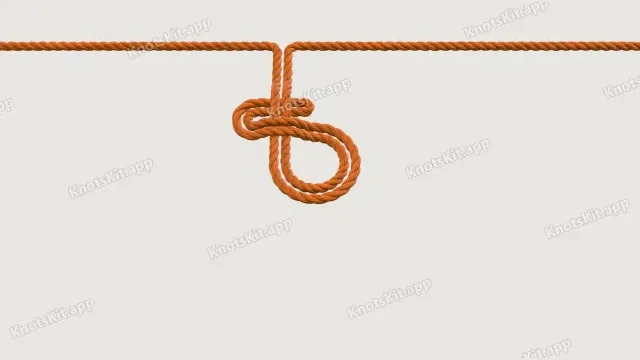
- Skipping the half turn. Step 4 is what turns a figure eight loop into a figure nine. Leave it out and you have a perfectly good figure eight loop, just not this knot.
- A U that is too short. The knot uses more rope than a figure eight loop. If the U you fold at step 1 is short, the new loop comes out small or there is little end left once it is tight. Make it longer than you think you need.
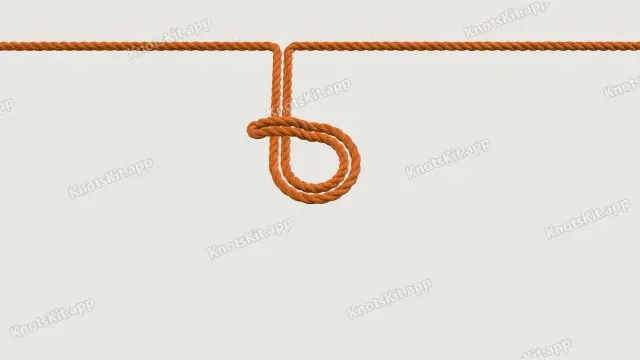
- Tucking through the wrong opening. At step 5 the folded end goes through the first loop, the one you made at step 2, not through any gap that happens to be open.
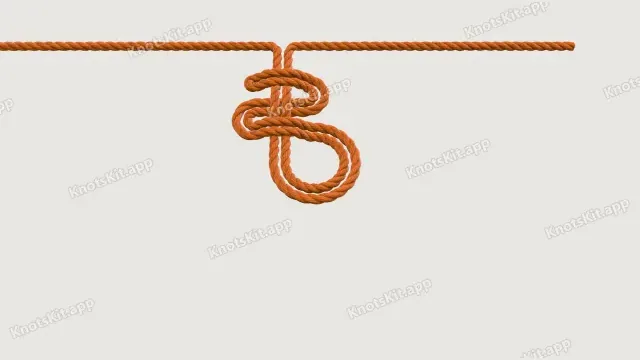
- Crossed strands. The two strands of the doubled rope should stay side by side through every crossing. Straighten them before step 6: a crossed figure nine is hard to check and even harder to untie.
Dress it, then tighten it
More crossings means more chances for one strand to roll over the other, so the figure nine rewards a little care before the final pull. Lay each pair of strands flat and parallel and work out any twist. Then tighten in stages at step 6: hold the new loop, pull the two sections of rope a little, check the strands are still paired, and pull again. When it is tight, look at the end that comes out of the knot and make sure there is enough of it for the job. For climbing and rescue, learn the knot and how to check it with a qualified instructor.
Related knots
Questions people ask
Figure nine loop or figure eight loop?
For most jobs the figure eight loop is the usual choice: it is smaller, uses less rope and is the knot most people know how to check. The figure nine is worth the extra rope when the loop will take a heavy load and you will need to untie it afterwards. In climbing and rescue, follow what your instructor teaches.
Is the figure nine loop stronger than the figure eight loop?
It is often said to be, but any difference depends on the rope, the load and how neatly the knot is dressed. Don’t choose it for strength alone. Choose it when you want a fixed loop that usually unties more easily after a heavy pull, and you can accept a bulkier knot.
How do I check a figure nine loop?
The doubled rope should follow one path through the whole knot, with its two strands side by side and never crossing over each other. Count the crossings: there is one more than in a figure eight loop. If you are looking at a neat figure eight, you probably skipped the half turn at step 4.
How do you untie a figure nine loop?
Take the load off, then bend the knot back and forth to loosen the turn that wraps the doubled rope. The extra half turn usually leaves the knot a little more room to open than a figure eight loop has. Once it gives, push the folded end back out through the first loop and unwrap it.