


How to tie a Lapp knot
The Lapp knot, or Lapp bend, joins two ropes with a knot that is quick to tie and just as quick to undo. You fold one rope into a U, wrap the other rope’s end around both sides of it, then send that end out through the U. It suits light, temporary jobs in camp and on board, not heavy or changing loads.
- Type
- Bend
- Difficulty
- Medium
- Also called
- Lapp Bend, False Sheet Bend, Lap Knot, Girdle Knot
Step by step
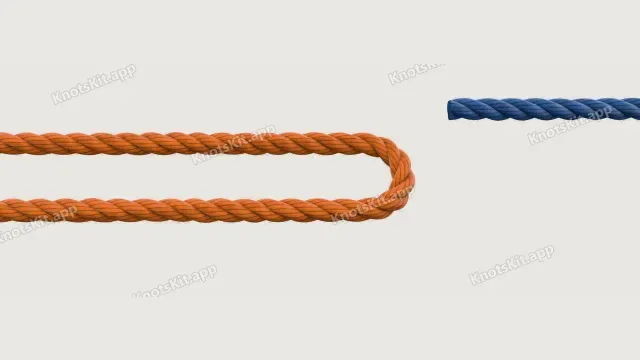
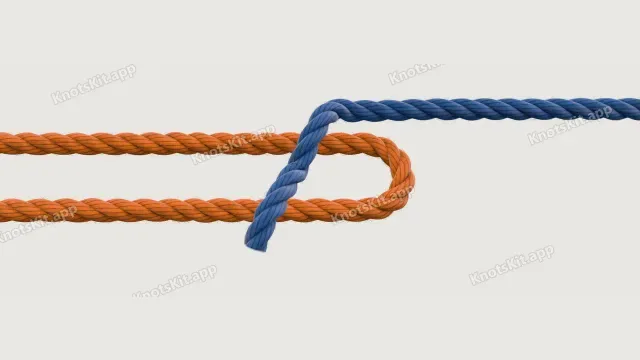
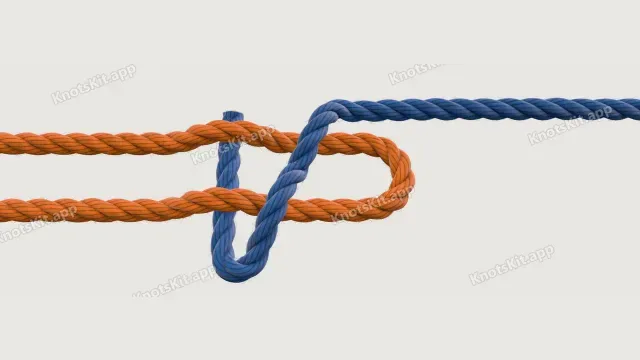
Step 3
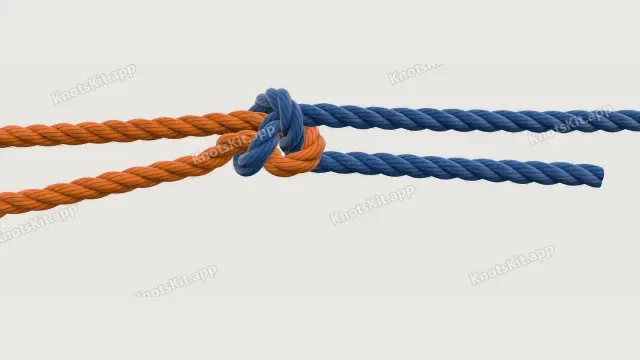
Bring it back under both sides.
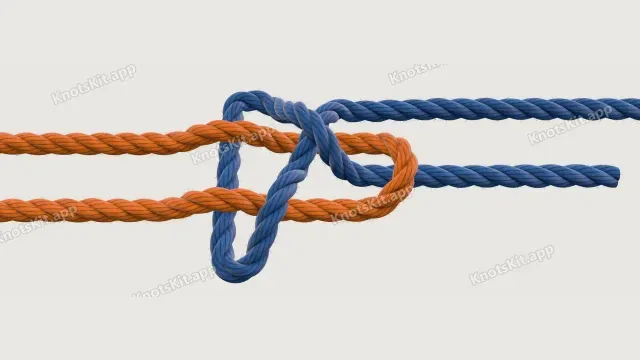
What it’s for
Join two ropes with a knot that is quick to tie and easy to undo.
When to avoid it
Avoid it where the join takes a heavy or changing load, or where a failure could hurt someone.
Check your knot
The second rope wraps around both sides of the U, and its end comes out through the U.
Tips
- Leave enough rope beyond the knot. The length depends on the rope and how you use it.
- Keep the U flat while you wrap, so its two sides stay apart.
Where the Lapp knot is handy
- Short jobs in camp. Two lengths of cord become one washing line, or a spare piece lengthens a line that came up short. When you pack up, it comes apart without any picking at it.
- Tying up gear. Two short cords joined around a rolled mat, a sack or a bundle of firewood, then separated again for the next job.
- On board, for the quick stuff. A temporary join to tidy a coil or hold a cover in place, undone as soon as you are finished. Mooring lines, towing and anything that snatches need a different knot.
Common mistakes
- Wrapping only one side of the U. In steps 2 and 3 the second rope goes over both sides of the U and back under both. Catch one side only and the U slides straight out when you pull.
- Letting the U collapse. Keep it flat while you wrap, its two sides apart. If they squeeze together, the opening you need in step 4 closes up.
- The end taking the wrong path. In step 4 the end crosses over its own rope, then goes out through the U. If it comes out beside the U, the knot no longer matches the finish check: redo step 4.
- Ends too short. A short end can work its way back out once the ropes start moving. How much to leave depends on the rope and the job, so be generous.
- Trusting a knot that is only shaped. Pull both long sections in step 5 until the wrap bites on the U. A knot that was arranged but never tightened can open at the first tug.
Undoing it, and when to pick something else
Take the load off first. Loosen the second rope’s wrap with your fingers, and once it is slack the U slides out: that is the whole point of this knot. If the join has to hold while the ropes flap around unloaded, the double fisherman’s knot stays put, though it can be very hard to untie after a load. If the ropes are clearly different in thickness, the sheet bend is the easier call, because it tells you which rope to fold.
Related knots
Questions people ask
Lapp knot or sheet bend: what is the difference?
Both start with one rope folded into a U, and both untie easily. The difference is the second rope’s path. In the sheet bend it comes up through the U and finishes tucked under itself. In the Lapp knot it wraps around both sides of the U first and leaves through it in step 4. For ropes of clearly different thickness, the sheet bend has the clearer rule: fold the thicker one.
Is the Lapp knot safe to rely on?
For light, temporary joins with a fairly steady pull, yes: a washing line, a bundle of gear, a tie you will undo within the hour. Avoid it where the join takes a heavy or changing load, or where a failure could hurt someone. For anything that holds a person, learn from a qualified instructor.
How do you tie a slipped Lapp knot?
Tie steps 1 to 3 as shown. In step 4, instead of pulling the whole end out through the U, push a small folded section of it through and leave the end hanging. Tighten as in step 5. A pull on that hanging end then undoes the knot in one go, so keep it where nothing can snag it.
Why does my Lapp knot pull apart?
Compare it with the finish check. Usually the second rope went around only one side of the U in step 2 or 3, or its end came out beside the U instead of through it in step 4. Redo the step that went wrong, then pull both long sections firmly before you put any weight on it.