


How to tie a perfection loop
The perfection loop, also called the angler’s loop, makes a small fixed loop that runs on in line with the main line, which is why anglers use it to join leaders loop to loop. You form two loops, bring the end up between them and pull the second through the first. It suits mono and fluorocarbon, and on braid it can slip.
Step 1 of 5
Bring the end around and back over the main line to make a loop.
- Type
- Loop
- Difficulty
- Medium
- Also called
- Angler's Loop
- Line types
- Monofilament, Fluorocarbon
Step by step
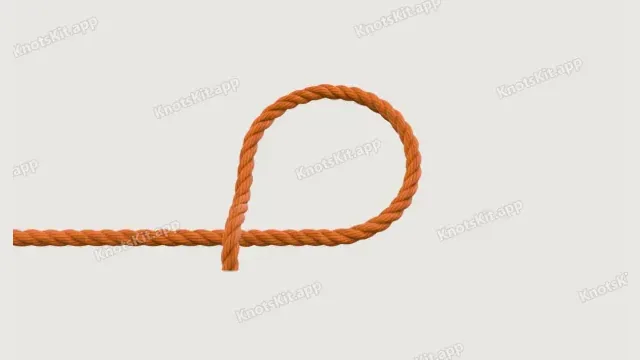
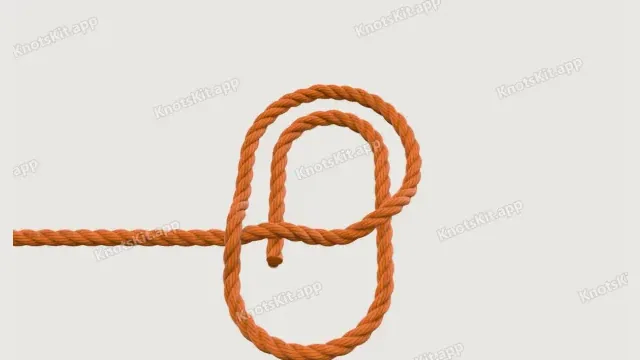
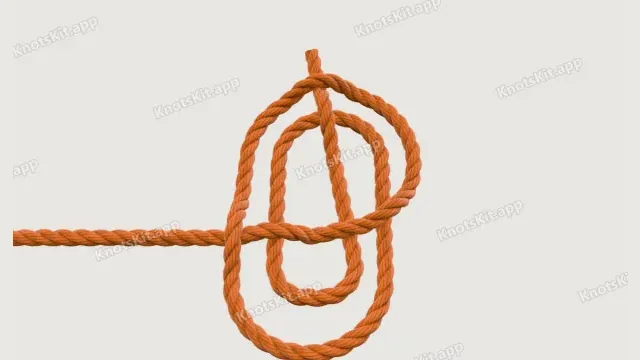
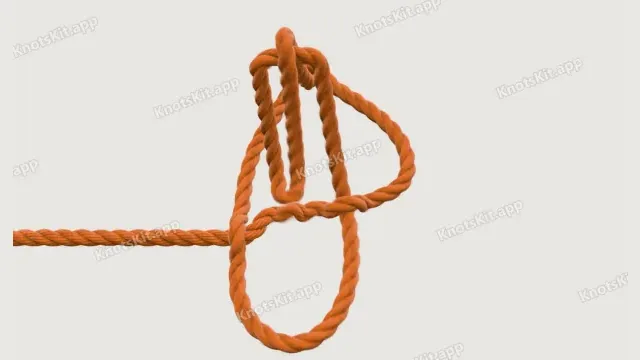
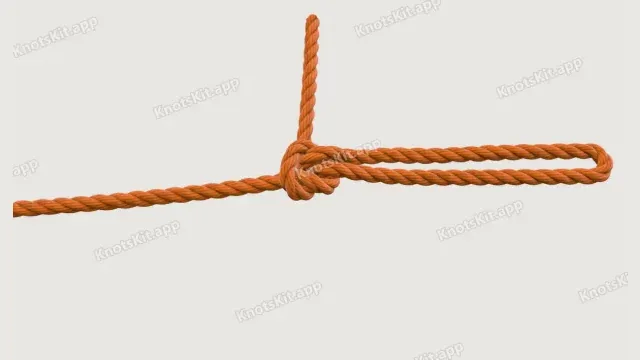
Step 5
Hold that large loop and pull the main line to tighten.
Keep pulling until the knot has fully closed.
What's a loop?
What it’s for
Make a small fixed loop that lies in line with the line, to join leaders loop to loop.
When to avoid it
Avoid it with braid: it can slip. If the two loops cross the wrong way as you tighten, the knot can fall apart, so start again.
Check your knot
The free end stands out to the side of the knot, and the large loop runs on in line with the main line.
Tips
- Wet the knot before tightening to reduce friction.
- Pinch the point where the loops cross while you work, so they stay in place.
- Trim the free end only after tightening and checking the knot. Follow the line maker’s guidance.
Where the perfection loop is useful
- The thick end of a leader. A small loop at the butt of a fly leader joins it to the loop on a fly line, and the pull runs straight through both.
- Changing leaders without cutting. Two lines that end in loops come apart in seconds, so the same leader can come off and go back on.
- Anywhere a straight pull matters. The loop carries on from the line with no bend to one side, so light leaders hang straight.
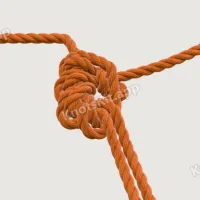
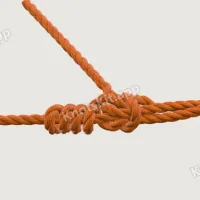
If you need a loop fast, or in braid, the surgeon’s loop is quicker and easier, though it leans. For an open loop through the eye of a hook or lure, use the Kreh loop.
Common mistakes
- Second loop on top of the first. Step 2 puts it inside the first and under it. Lay it on top and the knot can fall apart when you tighten.
- End on the wrong side. At step 3 the end comes up between the two loops, not outside them. Around the outside, nothing locks it.
- Losing the crossing. Keep the point where the loops cross pinched between finger and thumb up to step 4. Once it shifts, the loops change order and you have to start again.
- Pulling the wrong loop. At step 4 the second loop comes up through the first, and that becomes your large loop. Pull the first one and the knot collapses.
- Stopping the pull early. Step 5 needs a full close. Keep pulling the main line until the knot stops moving.
Tying it in your hand
Everything happens at one point: the crossing. Hold it between finger and thumb with one hand and do the moves with the other. Keep the two loops small and close together, because large loops wander. It is worth learning in thick line first, where you can see the order of the loops. At step 4 draw through only as much as you want for the finished loop, then wet the knot and pull the main line slowly until it closes. To join it to another loop, pass one loop through the other, feed the far end of the line through and pull until each loop wraps the other evenly.
Related knots
Questions people ask
Perfection loop or surgeon’s loop: which should I tie?
The surgeon’s loop is quicker, harder to get wrong and works in braid too, but its loop leans to one side. The perfection loop takes practice and is for mono and fluorocarbon only. In return it makes a small, neat loop that sits straight in line with the main line, which is why fly anglers often choose it for leaders.
Why does my perfection loop fall apart?
The two loops crossed the wrong way as you tightened. The second loop has to lie inside the first and under it at step 2, and the end has to come up between them at step 3. Pinch the crossing point so nothing moves. If it still falls apart when you pull, start again: it cannot be rescued halfway.
How do you control the size of the loop?
The size is decided at step 4, when the second loop comes up through the first. Draw through as much as you want for the finished loop, then hold it there while you tighten. Very small loops take practice, and wetting the knot helps. Once the knot has closed the size is fixed, so tie it again if it is wrong.
Can you tie a perfection loop in braid?
It is not the knot to choose, because this loop can slip in braid. For a loop in braid, a surgeon’s loop is the usual answer, tied as the line maker suggests. Or put the perfection loop on a mono or fluorocarbon leader instead, where it behaves well and sits in line with the line.