


How to tie a surgeon’s loop
The surgeon’s loop is one of the quickest fixed loops you can tie in fishing line. You fold the end into a long U, make a loop with the doubled line and pass the folded end through it twice. It works in mono, fluorocarbon and braid, and it is a common way to put a loop on a leader for a loop to loop connection.
- Type
- Loop
- Difficulty
- Easy
- Also called
- Double Loop, Double Overhand Loop
- Line types
- Monofilament, Fluorocarbon, Braid
Step by step
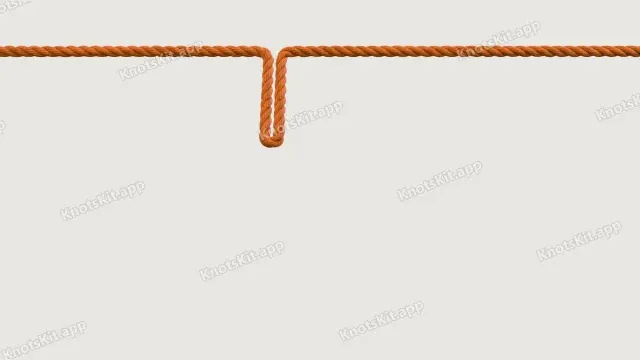
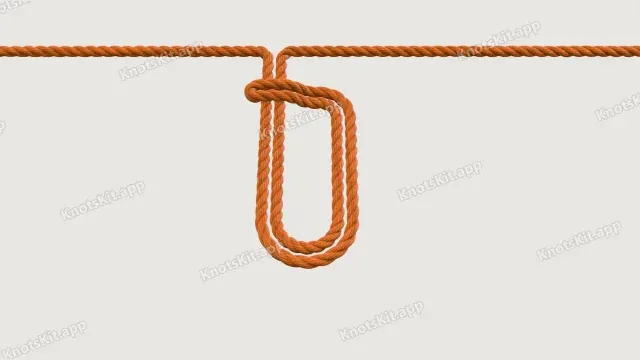
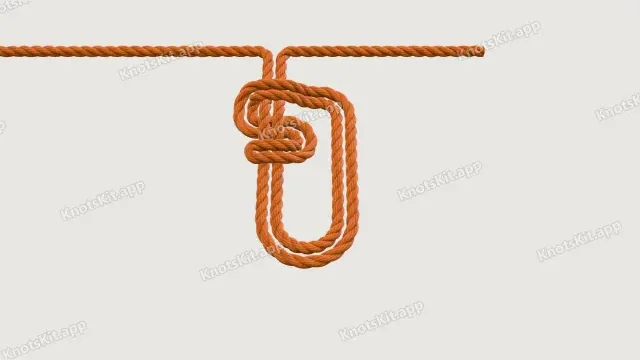
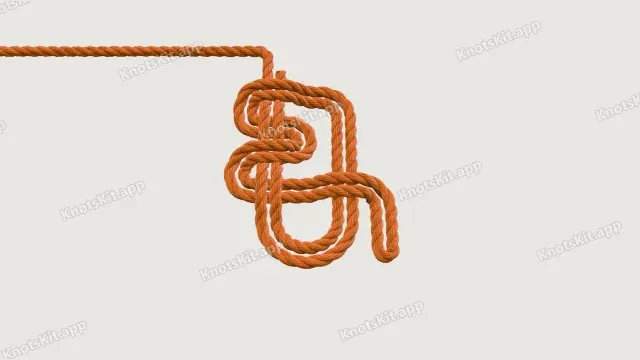
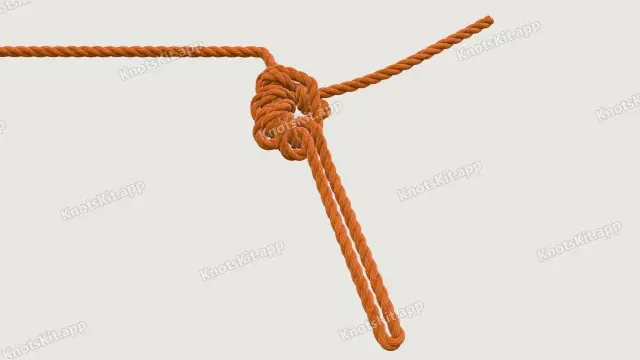
What it’s for
Make a quick fixed loop at the end of a fishing line, to join it loop to loop with a leader or a lure.
When to avoid it
Avoid it if the loop must sit perfectly in line with the main line: this one leans slightly to the side.
Check your knot
Two turns sit side by side in the knot, and the loop has no twist in it.
Tips
- Wet the knot before tightening to reduce friction.
- Trim the free end only after tightening and checking the knot. Follow the line maker’s guidance.
Where the surgeon’s loop is useful
- A loop on a leader. Put a loop at the end of a leader or a hook length, and you can swap it in seconds, loop to loop, without cutting any line.
- Fly fishing. A loop at the thick end of a leader joins it to the loop on a fly line.
- Something to clip onto. A loop at the end of the main line for a snap, a clip or a ready-tied rig with its own loop.
- When conditions are bad. Cold hands, wind, fading light. It is a double overhand tied in doubled line, so there are no turns to count and little to get wrong. Its cousin the triple surgeon’s knot is just as quick for joining two lines.
Common mistakes
- Twisted line. At step 1 the two strands of the U should lie side by side. If they wrap around each other while you tie, the knot closes lumpy and the loop comes out twisted.
- Only one pass. Step 4 sends the folded end through the loop a second time. Skip it and you have a plain overhand loop, which can slip in slick line.
- A slack free end. Step 5 holds the loop and pulls both sections of line: the line itself and the free end. If the free end stays slack, the turns close unevenly and the knot can creep.
Loop to loop, done right
To join two lines that each end in a loop, pass the loop on the main line through the loop on the leader. Then feed the whole leader, free end first, through the main line’s loop and pull. Done right, the two loops wrap around each other evenly, each one holding the other. If one loop stays straight while the other folds tight around it, they have settled into the wrong shape, which can bite into the line: ease them apart and pull again until they sit evenly. To separate them later, push the loops towards each other and repeat the moves in reverse. There is nothing to cut, so the same leader can come off and go back on as often as you like.
Related knots
Questions people ask
Can you tie a surgeon’s loop in braid?
Yes, it is one of the loops that works in braid as well as in mono and fluorocarbon. Braid is slippery, so tighten it slowly and firmly, give it a test pull and follow the line maker’s guidance. Some anglers add a third pass through the loop for extra grip in slick line.
Why does the loop sit at an angle?
That is how this knot is built: the loop leans slightly to one side instead of running straight out of the line. For most loop to loop connections it makes no difference. When the loop has to sit exactly in line with the main line, choose a different loop.
How big should the loop be?
Big enough for whatever goes through it: a lure, a fly line loop or a snap. The knot takes up some of the U as it tightens, so fold a longer U at step 1 than the loop you want, and hold the loop at that size while you pull in step 5.
Is the surgeon’s loop the same as the surgeon’s knot?
They are close relatives. The fishing surgeon’s knot joins two lines with an overhand knot, tied two or three times with both lines held together. The surgeon’s loop ties the same double overhand in one line folded back on itself, so instead of a join you get a loop.