


How to tie a double sheet bend
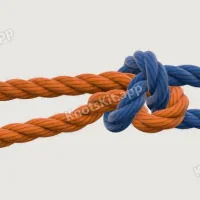
The double sheet bend, also called the double becket bend, is a sheet bend with one more turn. You fold one rope into a U and take the other rope around it twice, so the join has more to grip on. It is the step up when rope is slippery or a plain sheet bend may not be enough, but it can still loosen if the ropes move around slack.
- Type
- Bend
- Difficulty
- Medium
- Also called
- Double Becket Bend, Inside Double Sheet Bend
Step by step
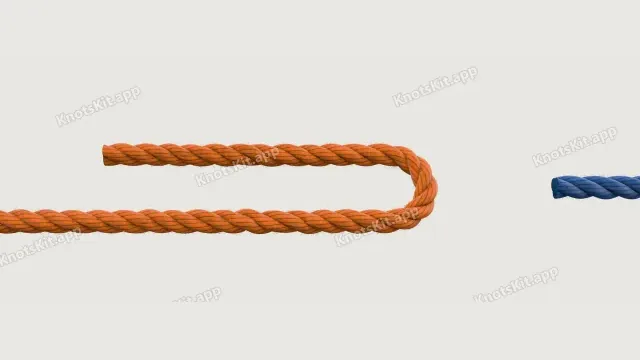
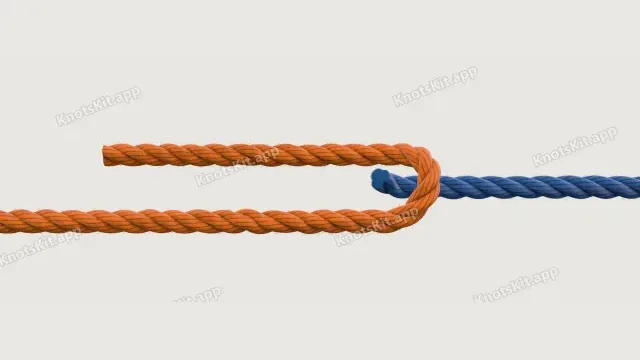
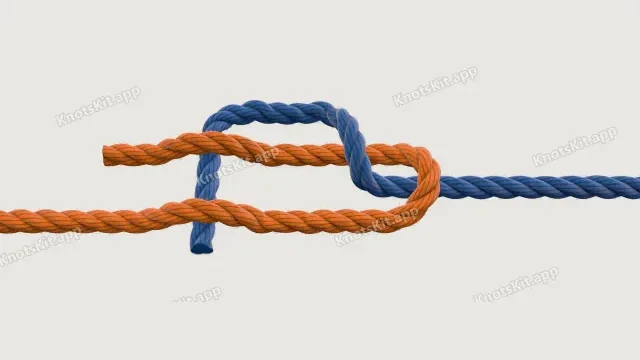
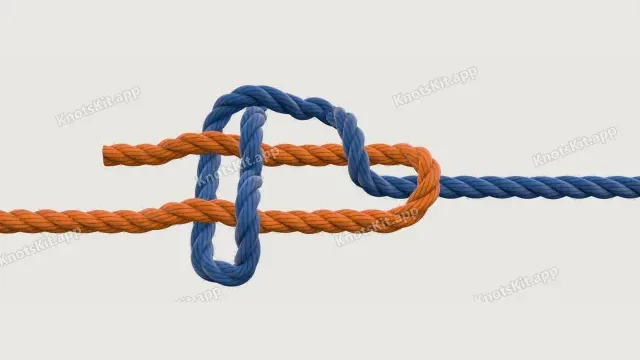
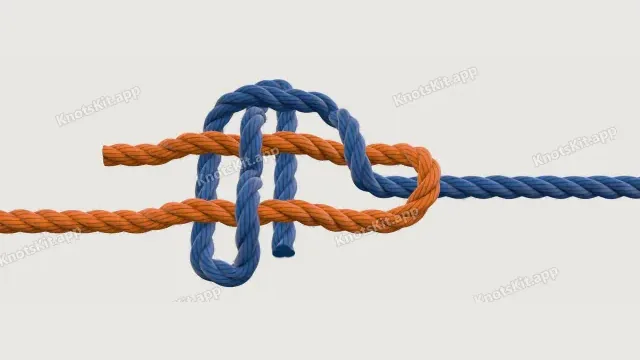
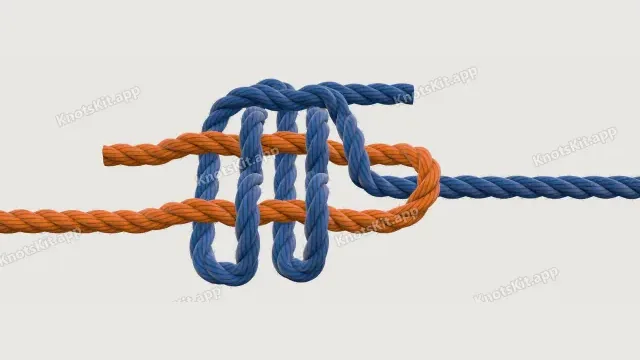
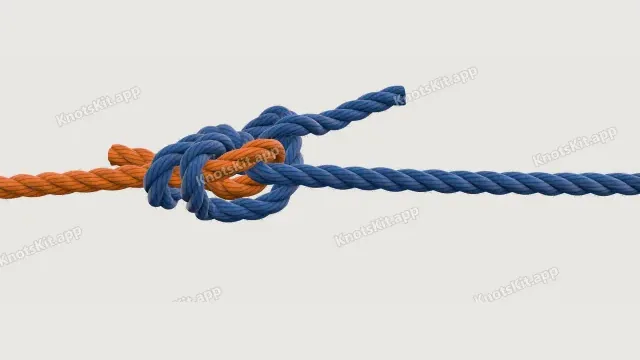
What it’s for
Join two ropes when the sheet bend may not be enough, such as in slippery rope. If they differ in thickness, fold the thicker one.
When to avoid it
Avoid it if the ropes will move around while loose, or where a failure could hurt someone. The knot can loosen.
Check your knot
Two turns of one rope sit side by side around the U. Both free ends come out on the same side of the knot.
Tips
- Leave enough rope beyond the knot. The length depends on the rope and how you use it.
- Keep the two turns side by side as you tighten, so they do not cross.
Where the double sheet bend is useful
- Slippery rope. Smooth line that a single turn may not hold well. The second turn gives the join more to grip on.
- Two ropes that do not match. A thin cord tied to a thick rope, in camp or on board. Fold the thicker one and make the turns with the thinner.
- A rope that already ends in a loop. The spliced loop of a mooring line or the loop at the corner of a tarp can stand in for the U.
Common mistakes
- Folding the thinner rope. At step 1 the thicker rope makes the U. Swapped, the knot grips less well.
- Starting the turn the wrong way. At step 3 the end goes over the short side of the U first. Start the other way and the free ends finish on opposite sides, which does not match the finish check.
- Tucking under the U. At steps 4 and 6 the end tucks under itself, across the U. It never goes under the sides of the U.
- Second turn in the wrong place. Step 5 puts it nearer the curve of the U. Stay on that side of the first turn, so the two can lie together.
- Turns crossing. If one turn rides over the other as you tighten at step 7, they pinch each other and grip unevenly. Ease them side by side before the final pull.
What the second turn does not fix
The extra turn gives more grip, but like a plain sheet bend this knot can still ease off when the ropes move around slack. If the join must stay put, a double fisherman’s knot is more secure, though bulkier and hard to untie after a load. For a quick join under a light, steady pull, the Lapp knot is easy to tie and to undo. Where a failure could hurt someone, do not use this knot, and for anything that holds a person, follow a qualified instructor.
Related knots
Questions people ask
Sheet bend or double sheet bend: which should I tie?
Start with the plain sheet bend for everyday rope: it is quicker and smaller. Move to the double when the rope is slippery, when the two ropes differ in thickness or when a single turn looks doubtful. The extra turn costs a few seconds and makes the knot a little bulkier, and that is the whole trade.
Why does a double sheet bend come loose?
The extra turn helps, but the knot still works the same way: it holds while there is a pull on it. If the ropes flap around slack, or the load keeps stopping and starting, the turns can ease off and the U can slide out. Where that can happen, or where a failure could hurt someone, choose a different join.
Is a double becket bend the same knot?
Yes. Becket bend is the name often used when the U is a fixed loop already in the rope, such as a spliced loop or the corner of a tarp. Double means two turns instead of one. The fixed loop simply replaces the U you would fold at step 1, and everything after that stays the same.
How do you untie a double sheet bend?
Take the load off, then push the curve of the U back towards the turns. They slacken, and you can draw the free end out from under itself, one turn at a time. It usually comes apart by hand, which is one reason to pick it for joins you plan to undo at the end of the day.