


How to tie a figure eight knot
The figure eight knot is a stopper: a bulky knot near the end of a rope that keeps it from running out through a block, a fairlead, a ring or a hole. Sailors put one at the end of a sheet, and climbers start their tie-in knot from it. It takes seconds, it is easy to check by eye and it usually unties without a fight.
- Type
- Stopper knot
- Difficulty
- Easy
- Also called
- Flemish Knot, Savoy Knot, Figure of Eight Knot
Step by step
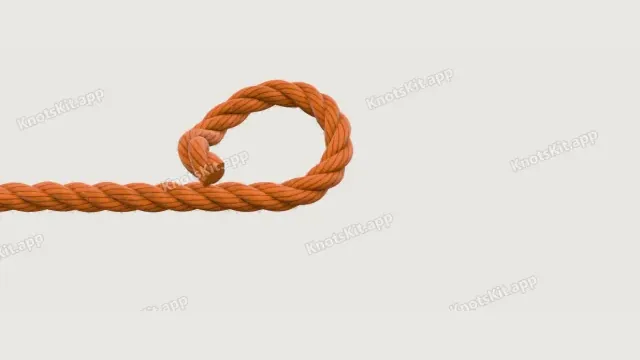
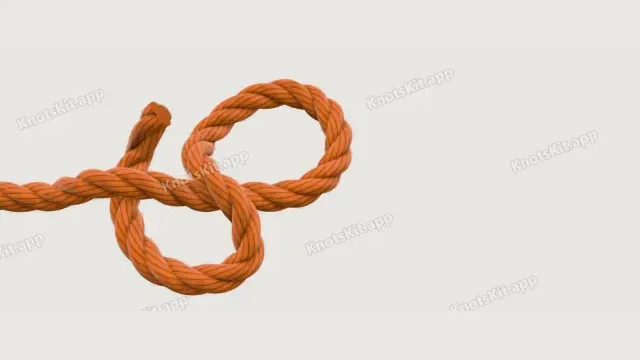
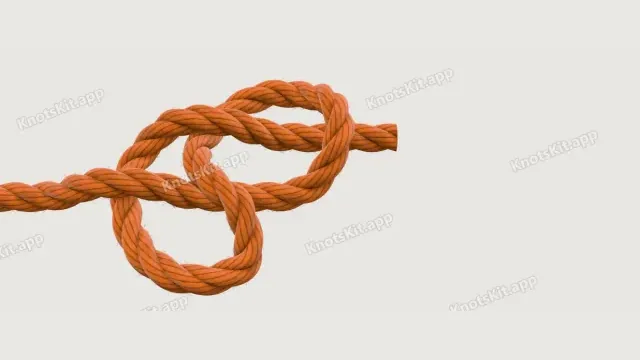
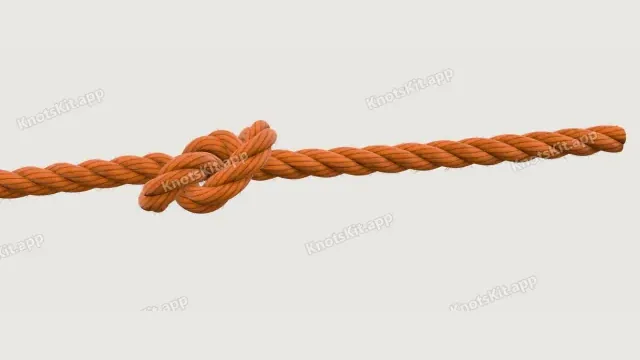
Step 4
Pull both ends to tighten the eight.
What it’s for
Make a stopper near the end of a rope to keep it from passing through an opening.
When to avoid it
Do not use it to attach a rope or make a loop. Check that the finished knot is larger than the opening.
Check your knot
Follow the rope through the knot: it should form an eight. The free end comes out beside the long section.
Tips
- Leave enough rope beyond the knot. The length depends on the rope and how you use it.
Climbing and rescue: learn this knot with a qualified instructor and check it before every use. This page does not replace hands-on training.
Where the figure eight is useful
- Sheets on a sailing boat. Tied near the end of a sheet, it stops the line running out through the block or fairlead when you let it go in a hurry.
- Ropes through rings and holes. A bucket handle, the eyelet of a tarp, a drawstring: the knot sits against the hole and the rope stays where it is.
- The base for other knots. The figure eight loop and the climbers’ follow-through use the same shape, so once your hands know this one, the others come quickly.
- Rope ends in climbing and rescue. Stopper knots there are part of a system. Which knot to use, and where, is for a qualified instructor to teach in person.
Common mistakes
- Skipping the turn at step 2. If the end goes straight through the loop without going around the long section first, you have tied an overhand knot: smaller, and harder to untie after a load.
- A knot smaller than the opening. A stopper only works if it cannot fit through. Check it against the real hole, not by eye from across the deck. If it fits through, try a bulkier stopper such as the stevedore’s knot.
- Too little end. A very short end can work back through the knot as the rope moves. How much to leave depends on the rope and the job.
- Using it to tie something. It is a stopper and nothing else. For a loop, tie a figure eight loop; to tie a rope to a post, use a hitch such as the clove hitch.
How to check it at a glance
Follow the rope through the knot with your eye: it should trace a clear eight, with the end coming out beside the long section. If you see a single loop with the end through it, step 2 was missed and you have an overhand knot instead. Before you rely on it, pull both ends so the turns bed down against each other. A snug figure eight keeps its shape, which also makes it easier to check again later.
Related knots
Questions people ask
What is the difference between a figure eight and an overhand knot?
The overhand knot is a single loop with the end passed through it. The figure eight first takes the end around the long section, at step 2, and only then passes it through. That makes it bulkier, so it blocks a wider opening, and it is usually easier to untie after a hard pull.
Is this the knot climbers tie into the harness with?
Not on its own. Climbers tie in with the figure eight follow-through: a figure eight tied some way from the end, then the end passes through the harness and retraces the same path back through the knot. Learn that from a qualified instructor, and check it before every climb.
Why does my figure eight pull through the hole?
Because the finished knot is smaller than the opening, which happens with thin cord or a wide hole. Test the knot against the actual opening before you rely on it. If it slips through, you need a bulkier stopper knot or, where you can choose, a thicker rope.
How do you untie a figure eight knot?
Push the two curves of the eight away from each other to loosen the turn around the long section, then work the end back out the way it went in. After a heavy pull you may need to bend the knot back and forth a few times first, and it usually comes apart from there.