


How to tie a figure eight bend
The figure eight bend, also called the Flemish bend or rewoven figure eight, joins two ropes of similar thickness. You tie a loose figure eight in one rope, then follow it back with the end of the other, so both ropes share one path. The shape is easy to check at a glance. The trade-off: after a heavy pull it can jam and be hard to untie.
Step 1 of 6
Cross the free end of one rope over its long section to make a loop.
- Type
- Bend
- Difficulty
- Medium
- Also called
- Flemish Bend, Rewoven Figure Eight
Step by step
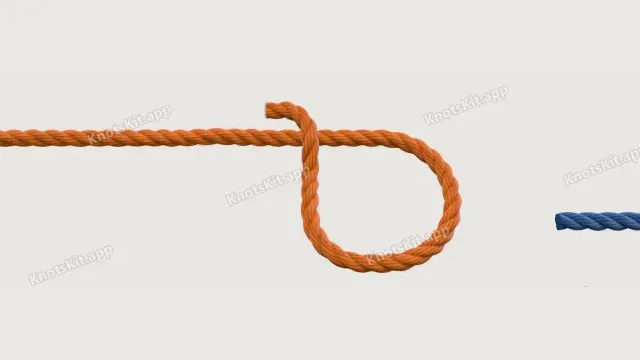
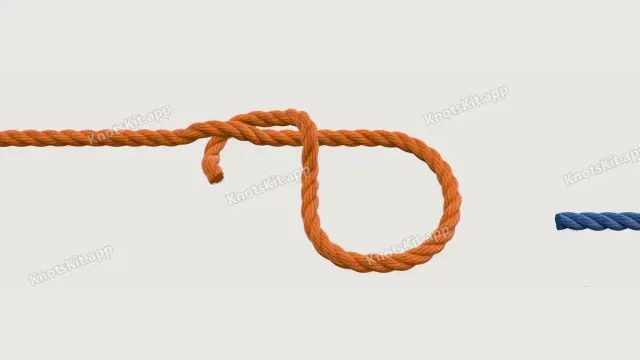
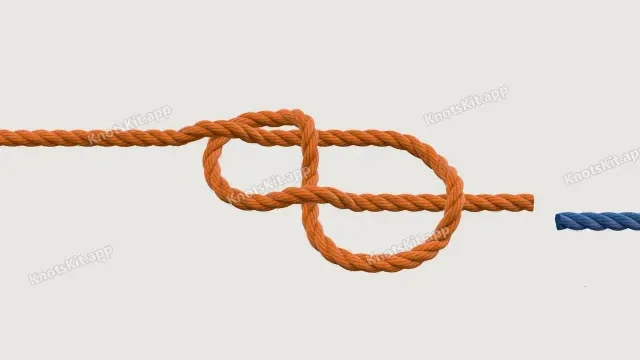
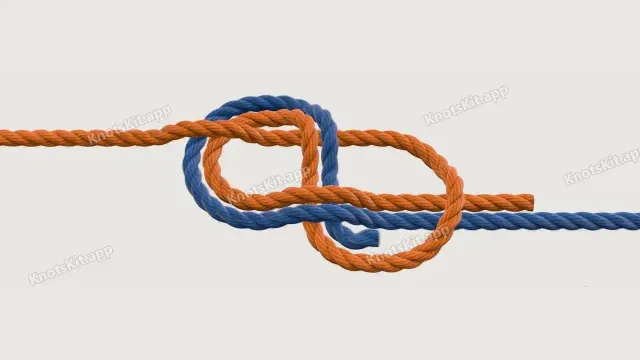
Step 4
Bring the other rope’s end beside the first rope’s free end and follow it in.
Stay on the same side of the first rope the whole way.
Which is the free end?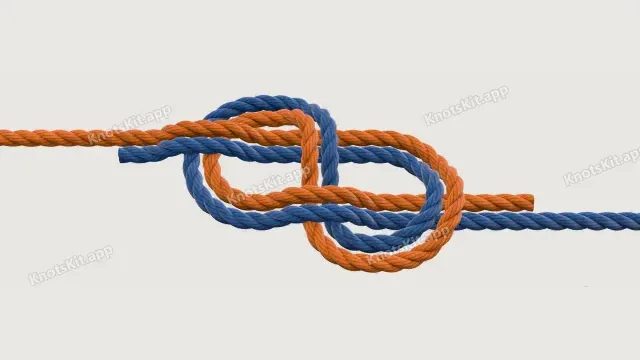
Step 5
Keep following the first rope until the end comes out beside its long section.
Which is the long section?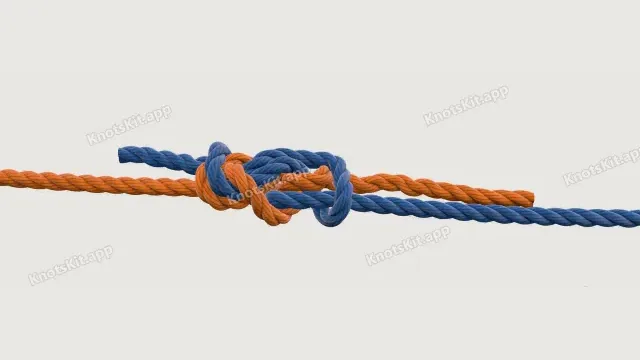
What it’s for
Join two ropes of similar thickness with a knot that is easy to check at a glance.
When to avoid it
Avoid it if you must be able to untie it easily: it can jam after a heavy pull. Do not tie it with both ends on the same side: that version can roll open under load. For climbing or rescue, use it only as your instructor teaches it.
Check your knot
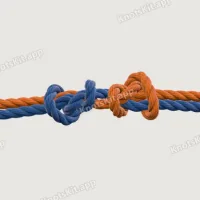
The two ropes follow the same figure-eight path, side by side without crossing. Each free end leaves beside the other rope’s long section.
Tips
- Leave enough rope beyond the knot. The length depends on the rope and how you use it.
- Pull the four sections one at a time, so the knot sets evenly.
Climbing and rescue: learn this knot with a qualified instructor and check it before every use. This page does not replace hands-on training.
Where the figure eight bend is useful
- Joins that must be checked quickly. The finished knot shows two ropes running side by side through a clean eight, so a crossing stands out, for you and for anyone checking it with you.
- Climbing and rescue. Use it only as your instructor teaches it, and check it before every use. This page does not replace instruction.
- Ropes that stay joined. It can jam after a heavy pull, so it suits a join you do not plan to undo soon. If you need the ropes apart again, a Zeppelin bend usually unties more easily.
- Ropes that match. With ropes of very different thickness, fold the thicker one and tie a sheet bend instead.
Common mistakes
- Eight too close to the end. Tie it too near the end at steps 1 to 3 and the free end comes out too short for the other rope to follow.
- Both ropes tied as one. Holding them together and tying a single eight skips steps 4 and 5. That puts both ends on the same side, and that version can roll open under load.
- Swapping sides. At step 4 the other rope stays on the same side of the first the whole way. If it hops across, the ropes cross inside the knot and the finish check fails.
- Stopping short. At step 5 keep following until the end comes out beside the first rope’s long section. Stop early and the second rope has no eight of its own.
- Pulling only two sections. Before the final pull at step 6, snug all four sections one at a time, or slack stays trapped in the knot.
How to check it
Put a finger on one long section and follow it through the knot. It should run beside the other rope the whole way, make the eight and come out as a free end next to the other rope’s long section. Repeat from the other rope. If you find a crossing, or two ends together on the same side, undo it and start again. Do not confuse this knot with the figure eight loop, which makes a fixed loop in one rope. For climbing and rescue, learn this check with a qualified instructor and do it before every use.
Related knots
Questions people ask
Is the figure eight bend safe for climbing?
It is a well-known join in climbing and rescue, partly because a mistake is easy to spot. How safe it is in practice depends on tying it correctly, on the ropes and on the whole system. Use it only as a qualified instructor teaches it, and check it before every use.
Can I tie it with both ends on the same side?
No. Holding the two ropes together and tying one figure eight in them looks quicker, but that version can roll open under load. Here the other rope follows the first in from its free end, so each free end finishes beside the other rope’s long section.
Figure eight bend or double fisherman’s knot?
The figure eight bend is easier to read, because you can trace each rope through the eight. The double fisherman’s is the usual choice for closing cord into a loop, and it stays put while the rope is slack. Both can be hard to undo after a heavy load, so neither suits a join you take apart often.
How do you untie a figure eight bend after a heavy pull?
Take the load off, then bend the knot back and forth to loosen the outer turns. Once one gives, push it back along its path and follow the eight in reverse. On rope that has held a heavy load this can take a long time, so choose another knot if undoing it matters.