


How to grip a rope with a sliding knot
Tie a Prusik. A closed loop of cord, clearly thinner than the rope, wraps around it, grips when pulled either way and slides by hand with the load off. An autoblock backs up a rappel; a Bachmann knot adds a carabiner as a handle. If the rope holds a person, this page does not replace instruction: learn these knots with a qualified instructor.
The best knot for this job
How to tie the Prusik
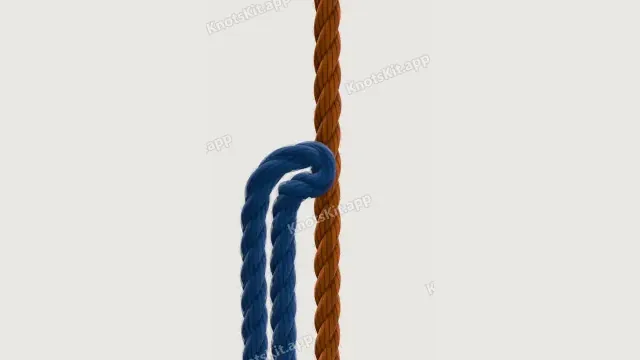
Step 1
Fold a closed loop of cord in two and bring the folded end up beside the rope.
What is the folded end?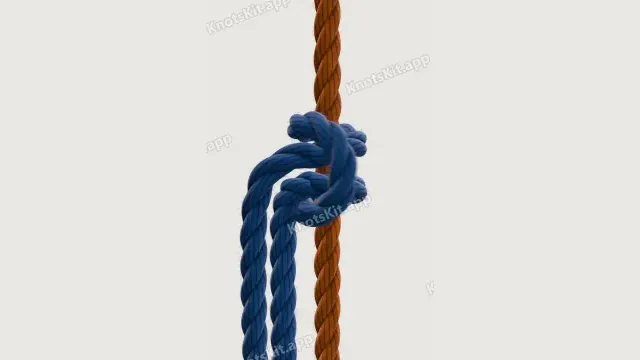
Step 2
Take the folded end around the rope, with one side above the hanging cord and the other below it.
What is the folded end?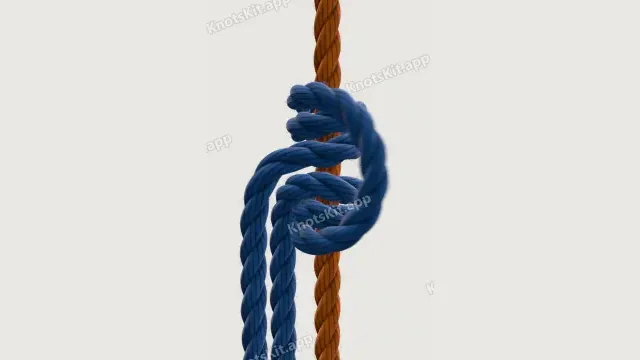
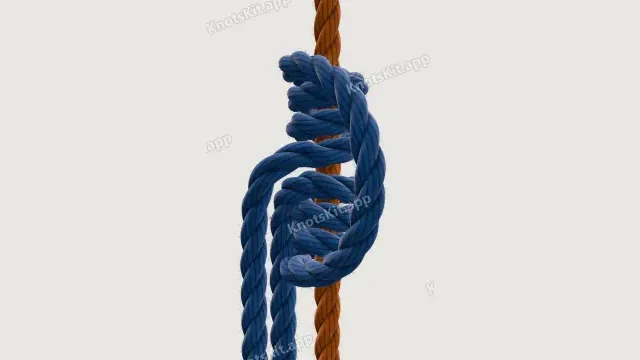
Step 4
Go around a third time, then lay the folded end across the hanging cord.
What is the folded end?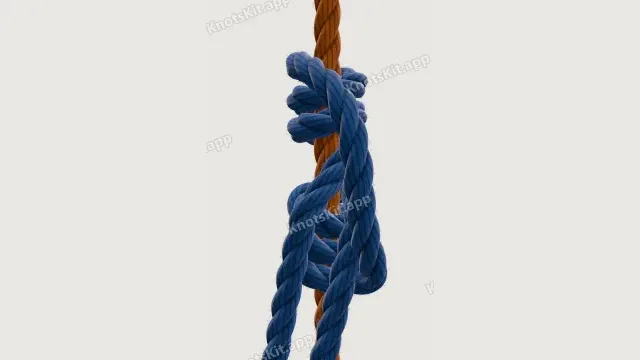
Step 5
Set the turns side by side, then pull the hanging cord down until they grip the rope.
What are wraps?
Your options
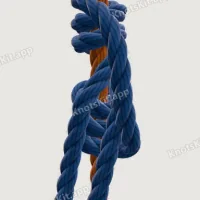 PrusikA cord loop that grips a rope both waysThe first choice to grip a rope with a closed loop of cord, to climb the rope or haul a load. It is made to grip when pulled either way and slides by hand with the load off. The cord must be clearly thinner than the rope, and a heavy load can jam the knot.
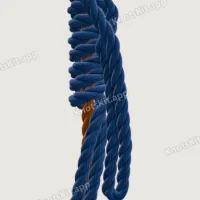 AutoblockA cord backup that grips the ropeUsed to back up a rappel: it slides while you guide it by hand and should grip when you let go. Don’t make it your only link to the rope, and check that it cannot reach the belay device, where it can stop gripping.
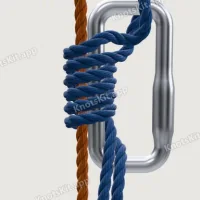 Bachmann KnotA rope grip you slide by the carabinerPick it when you want to slide the knot with one hand: the carabiner works as a handle. It grips only when pulled from the folded end, and holding the carabiner under load can let it slide, so load the cord and let go of the carabiner.
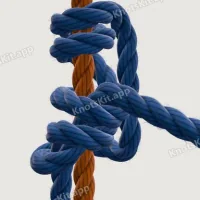 Blake's HitchA sliding grip for tree climbingTree climbers use it, usually with the end of the same line, and at camp it can keep a line tight. Always tie a stopper knot in the free end. Skip it on slippery rope or where a sudden load is possible, because it can slide or come undone.
Cord, rope and turns
Start with the cord. The Prusik, the autoblock and the Bachmann knot are all tied with a closed loop, and it has to be clearly thinner than the rope, or the knot can slip. The animations show the two at the same thickness only to keep them clear: a real cord must be thinner. The Blake’s hitch is different. Tree climbers usually tie it with the end of the same line, and the free end needs a stopper knot, because without one the end can pull out.
Set the turns before you load them. They should sit side by side, with none crossing another. In the Prusik, pull the hanging cord down at step 5 until the turns grip the rope. In the autoblock, both ends of the loop go into the same carabiner: with only one clipped, the turns can come undone. In the Bachmann knot, keep the side of the carabiner without the gate against the rope, and let go of it before you load the cord.
Test it, and learn it hands-on
Give any of these a gentle pull before you rely on it, and watch whether it holds. If an autoblock slips, add a turn and test it again. Test again when something changes: a Prusik can slip when the rope gets wet or icy, and the turns of a Blake’s hitch can loosen after going slack. The Bachmann knot may grip less than a Prusik, because a carabiner is smooth.
Remember two things about the autoblock. It must not be able to reach the belay device, and a hand squeezing the turns can stop them gripping, so let go when you need it to hold. After a fast slide on any of them, check the cord: friction can burn it, and a damaged cord gets replaced.
These knots belong to climbing, rescue and tree work, where they are one part of a system that a page cannot teach. This page does not replace instruction. If a rope will hold a person, learn the knot and the setup hands-on with a qualified instructor, and check the knot before every use.
Questions people ask
Can I learn these knots here for climbing?
You can see how they are tied, but where a rope holds a person this page does not replace instruction. The knot is one part of a system, with the cord, the rope, the anchor and the backup, and a mistake in any of them matters. Learn them with a qualified instructor, and check the knot before every use.
How much thinner than the rope must the cord be?
Clearly thinner. No single figure fits every pairing, because it depends on the rope, the cord and how worn they are, so follow your instructor and the maker’s guidance. A cord that is not clearly thinner can slip. The animations show cord and rope at the same thickness only to keep the moves easy to follow.
Prusik, autoblock or Bachmann: which should I tie?
It depends on the job. The Prusik grips when pulled either way, to climb a rope or haul a load. The autoblock slides under your hand and should grip when you let go, which is why it backs up a rappel, but never as your only link. The Bachmann uses a carabiner as a handle and grips only when pulled from the folded end.
Why does my Prusik slip or jam?
It usually slips because the cord is not clearly thinner than the rope, or the rope is wet or icy. Test it with a gentle pull, and again when conditions change. It jams when a heavy load bites the turns down: take the load off and push the folded end along the rope. If it has slid fast, check the cord for damage and replace it if needed.