


How to tie a Blake’s hitch
Blake’s hitch, also known as the Prohaska hitch, grips a rope with a knot you can slide by hand when the load is off. Tree climbers tie it with the end of their own line, and at camp it can keep a line tight. It needs a stopper knot in the free end, and it can slide on slippery rope or under a sudden load.
Step 1 of 7
Bring the free end of the cord up beside the rope and wrap it twice around, working upward.
Leave these two turns a little loose: the end comes back up inside them.
- Type
- Hitch
- Difficulty
- Hard
- Also called
- Swicero, Suicero, Verones Knot, Prohaska Hitch
Step by step
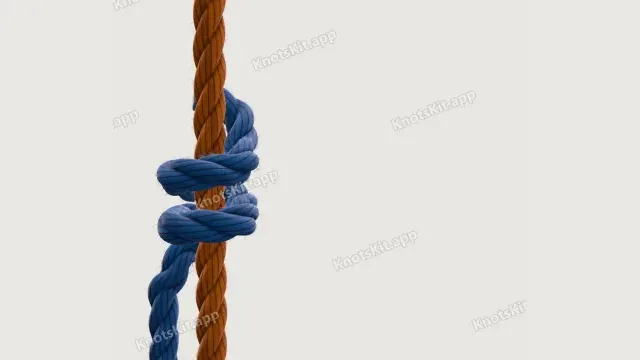
Step 1
Bring the free end of the cord up beside the rope and wrap it twice around, working upward.
Leave these two turns a little loose: the end comes back up inside them.
What are wraps?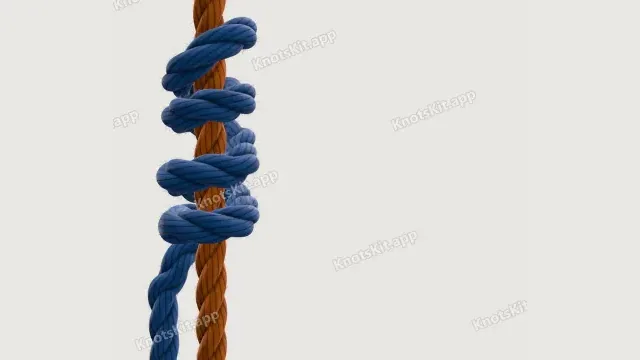
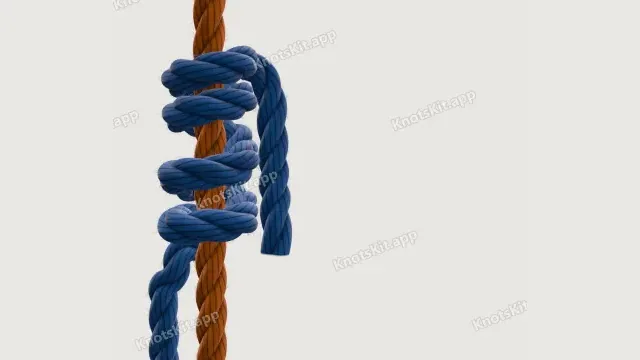
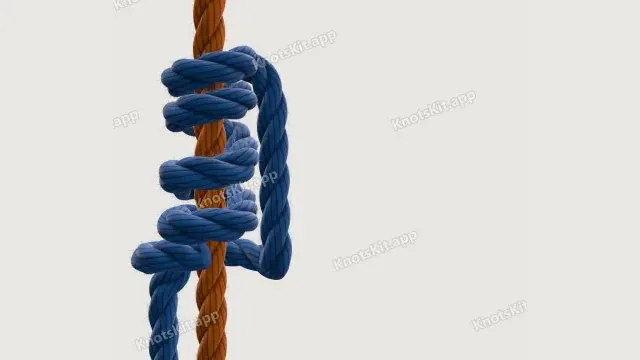
Step 4
Take it around behind the rope, just below the turns, and over the long section.
Which is the long section?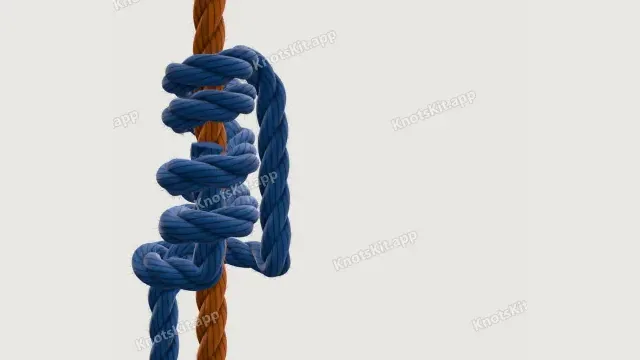
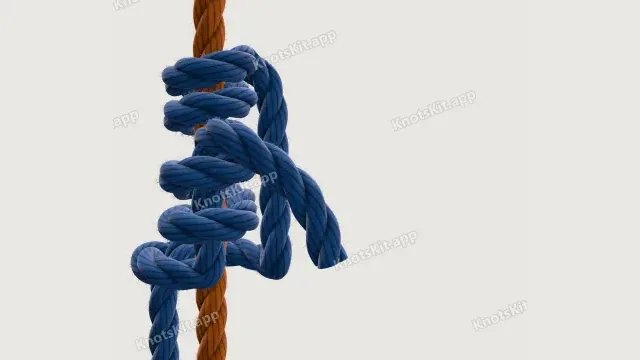
Step 7
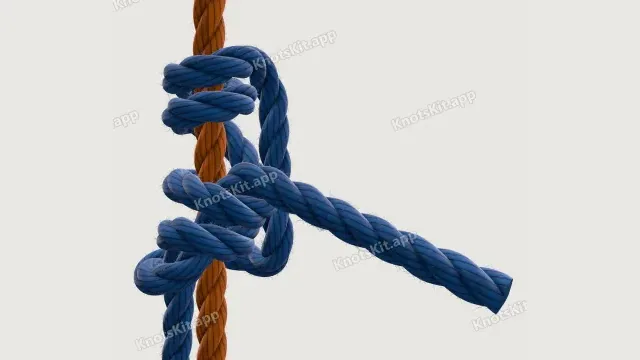
Pull the free end to snug the turns, then pull the long section down until they grip.
Which is the long section?
What it’s for
Grip a rope with a knot you can slide by hand when the load is off. Tree climbers use it on their line, and at camp it can keep a line tight.
When to avoid it
Avoid it without a stopper knot in the free end, on slippery rope, or where a sudden load is possible: it can slide or come undone. For tree or rope work, learn it with a qualified instructor.
Check your knot
Two turns sit above the free end and two below it. The end comes out from inside the lower two.
Tips
- Leave enough free end for a stopper knot, and tie one. The animation leaves it out to stay clear, but without it the end can pull out.
- The animation shows a separate cord so it is easy to follow. Tree climbers usually tie it with the end of the same line. A cord thicker than the rope can slip.
- Test it with a gentle pull before you rely on it. Check it again if it has gone slack: the turns can loosen.
Climbing and rescue: learn this knot with a qualified instructor and check it before every use. This page does not replace hands-on training.
Where Blake’s hitch is used
- Tree climbing. Climbers use it on their own line. This page shows how the knot is formed, not how to climb: that is learned in person, with a qualified instructor.
- Keeping a camp line tight. Take a line around a tree or a stake, bring the end back and tie the hitch around the line itself. With the load off, slide it by hand to take up the slack. Gusts on a tarp can give sudden tugs, so check it now and then.
- Not on slippery rope. There it can slide or come undone. Away from anything that holds a person, a rolling hitch can grip another rope, though one way only.
Common mistakes
- First turns pulled tight. At step 1 the two turns stay a little loose, because the end comes back up inside them at step 5.
- No gap. Step 2 leaves a small gap above the first two turns. Without it, the end has no room to come out at step 6.
- The end inside the turns. At step 3 it comes down outside all four, not inside them.
- Missing the long section. At step 4 the end goes around behind the rope, just below the turns, and then over the long section. If it passes under, you have a different knot.
- The end in the wrong place. Steps 5 and 6 take it up inside the lower two turns and out between the second and third.
Setting it and checking it
Step 7 has two pulls, in this order: first the free end, to snug the turns, then the long section, down, until they grip. Then tie the stopper knot in the free end, for example a figure eight. The animation leaves the stopper out and shows a separate cord so the moves are easy to follow. In real use tree climbers usually use the end of the same line, and a cord thicker than the rope can slip.
Test it with a gentle pull before you rely on it, and check it again if it has gone slack, because the turns can loosen. Where a sudden load is possible, pick another knot. For a closed loop of cord, see the Prusik. For tree or rope work, learn it with a qualified instructor, who will also show you what backup the job calls for.
Related knots
Questions people ask
Is Blake’s hitch safe for tree climbing?
Tree climbers do use it on their line, but it can slide or come undone, especially with no stopper knot, on slippery rope or under a sudden load. Climbing on a rope is work to learn in person with a qualified instructor, along with its backups, never from a web page. Test the hitch every time before you rely on it.
Why does Blake’s hitch need a stopper knot?
Without one, the free end can pull out and the hitch can come undone. Leave enough free end when you start, and tie the stopper once the turns are set. The animation leaves it out only to stay clear. On a real line the stopper is not optional: treat it as the last part of the knot.
Why does my Blake’s hitch slip?
Common causes are a slippery rope, a cord thicker than the rope, or turns that were never pulled snug at step 7. The turns can also loosen after the hitch has gone slack. Set it again, test it with a gentle pull and check it whenever it has been slack. If it still slips, do not rely on it.
Blake’s hitch or Prusik: which should I tie?
Blake’s hitch is tied with a free end, so you need no closed loop, and tree climbers usually tie it with the end of the same line. The Prusik needs a closed loop of cord clearly thinner than the rope, and it is made to grip when pulled either way. For rope work, follow your instructor.
Are the Prohaska hitch and the Swicero the same knot?
Yes, these are other names for Blake’s hitch, along with Suicero and Verones knot. In Italy you may also hear nodo bellunese. Whatever the name, the finished knot looks the same: two turns above the free end, two below it, and the end coming out from inside the lower two.