


How to tie a stopper knot
Tie a figure eight near the end of the rope. It makes a knot bigger than the rope, so the end cannot run out through a hole, a block or a device, and it is easy to check: follow the rope and you see an eight. If the opening is larger, tie a bigger stopper, such as the stevedore or the Ashley stopper. Check the finished knot against the opening.
The best knot for this job
How to tie the Figure Eight
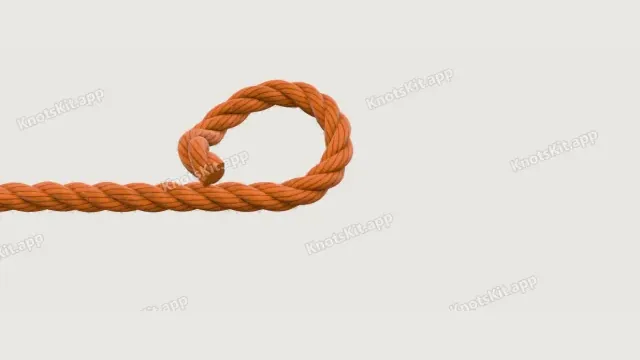
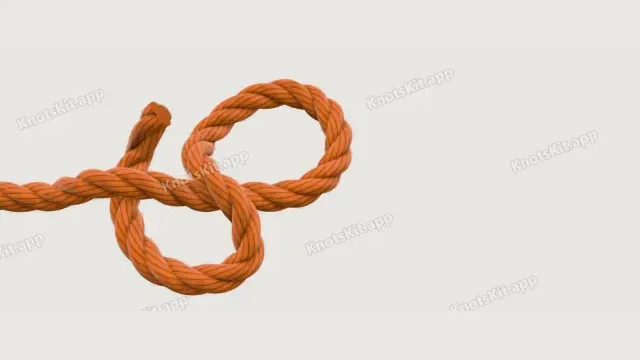
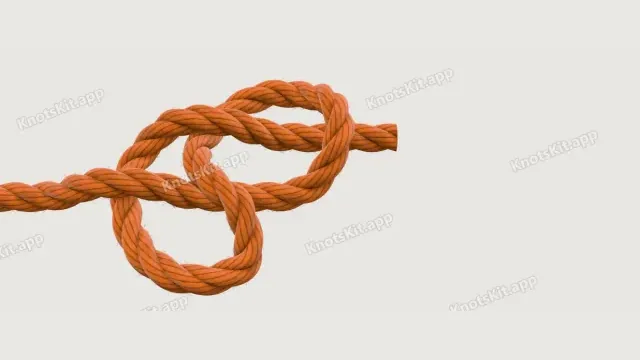
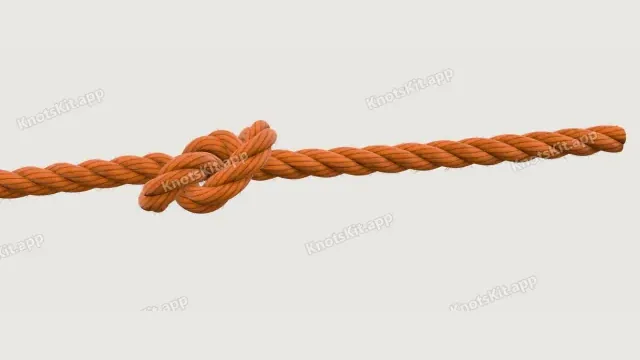
Step 4
Pull both ends to tighten the eight.
Your options
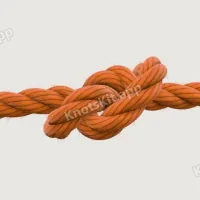 Figure EightA stopper at the end of a ropeThe first choice for most jobs: the end of a sheet on a boat, a line through an eyelet or a pulley, the tail of a rope through a device. Check that the finished knot is larger than the opening, and don’t use it to attach the rope or make a loop.
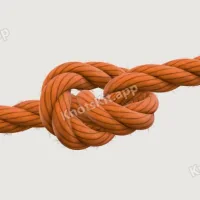 Overhand KnotThe simplest stopper knotThe quickest stopper there is, for cord and string, or close to a cut end to keep it from fraying. It jams once pulled hard, so skip it if you will need to untie it. For a bigger knot, tie a figure eight.
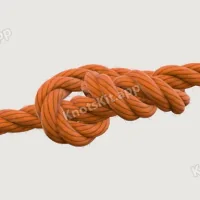 Double Overhand KnotA bulky stopper with two turnsAn overhand knot with a second turn, for a bulkier stopper or to secure the free end of another knot. It jams once loaded, so use it where it can stay tied. On climbing gear, use it as a backup only as your instructor shows you.
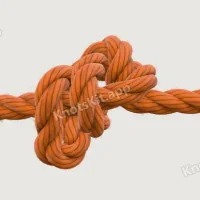 Stevedore's KnotA bulky stopper that unties easilyLike a figure eight with an extra turn around the long section: a larger stopper that is still easy to untie, for example at the end of a line through a pulley. Check the size first: it is the wrong pick if the opening is much larger than the knot.
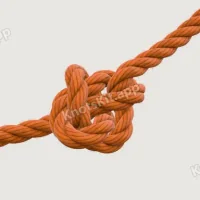 Ashley Stopper KnotA large, round stopperA large, round stopper that holds in a hole or a pulley only a little bigger than the rope. It takes longer to tie and can be hard to untie after a heavy pull, so keep it for when a quicker stopper could pull through.
Size it against the opening
A stopper only works if the finished knot is bigger than the hole, block or fairlead it must not pass. Tie it, pull it tight, then hold it against the opening and give the rope a firm pull. If it starts to squeeze through, tie a bigger one: the figure eight first, then the stevedore or the Ashley stopper.
A stopper that has only been shaped, not pulled tight, can draw up smaller when the load first comes on, so tighten it firmly before you rely on it.
Leave an end, and check it
Tie the knot near the end, leaving enough free end that it can’t work loose; how much depends on the rope and how you use it. Look at the shape: in a figure eight, follow the rope and you should see an eight, with the free end coming out beside the long section. Check stoppers again after the rope has run hard through a block or been shaken around. In climbing, where a stopper can keep the rope end from passing through a belay device, learn when and how to tie it with a qualified instructor.
Questions people ask
Which stopper knot should I use for a bigger hole?
Start with the figure eight and check it against the opening. If it could pull through, tie a stevedore, which adds a turn around the long section and stays easy to untie, or an Ashley stopper, a large, round knot that takes longer to tie. Whichever you tie, check the finished knot against the opening before you rely on it.
How close to the end should I tie a stopper knot?
Near the end, but not right at it. Leave enough rope beyond the knot that it can’t work loose; how much depends on the rope and how you use it. To keep a cut end from fraying, an overhand knot tied close to the end does the job, as long as you won’t need to untie it.
Is the figure eight stopper the same as the figure eight loop?
They share the shape but do different jobs. The figure eight is tied in the end of the rope to stop it passing through an opening; it does not make a loop and must not be used to attach the rope. The figure eight loop is tied with a folded section of rope and makes a fixed loop to clip or drop over something.
How do I untie a stopper knot that has jammed?
Take the load off and work on the knot itself. Push the turns towards each other to loosen them, and bend the knot back and forth until it gives. The overhand and the double overhand can jam once pulled hard, which is why they suit ends you won’t need to untie. When you want a bigger stopper that still comes undone easily, tie the stevedore.